
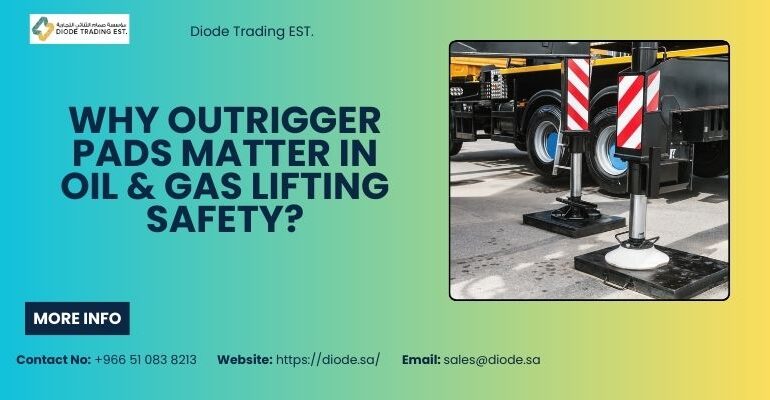
In the high-stakes world of oil and gas operations, every lift feels like a precision dance—one misstep can cause delays, equipment damage, or serious safety risks. So, how do crews ensure stability on unpredictable ground conditions? That’s where outrigger pads step in as the quiet heroes of lifting safety. In regions like Saudi Arabia, where desert terrain varies from soft sand to compacted gravel, using an appropriate crane outrigger pad in Saudi Arabia becomes absolutely essential.
Whether it’s a heavy crawler crane erecting a flare stack or a mobile crane handling pipeline components, outrigger pads significantly improve load stability by distributing the load and preventing ground failure. And considering the scale of lifting tasks across Saudi Arabia’s oil fields, refineries, and offshore rigs, understanding their role isn’t just beneficial—it’s non-negotiable for operational safety.
Why Stability Matters More in Saudi Arabia’s Oil & Gas Sector?
Lifting operations across the Kingdom often take place in challenging environments. Soft dune-like soil, uneven work sites, and high temperatures can compromise ground integrity faster than expected. According to safety data cited by OSHA, a significant percentage of crane accidents globally stem from improper outrigger deployment or ground instability. While the Middle East has robust safety protocols, even small oversights can lead to a chain of operational setbacks.
Outrigger pads counter these risks by increasing the crane’s footprint, keeping it balanced even under fluctuating loads or during boom extension at sharp angles. It’s like having wide snowshoes in soft snow—the bigger the footprint, the lower the risk of sinking.
How Outrigger Pads Enhance Load Stability?
1. Better Load Distribution
A crane places a tremendous point load on its outriggers, and without pads, this force concentrates on a very small surface area. Outrigger pads redistribute this load so the ground can support it without giving way. This is especially critical during heavy lifts in refinery installations, pipeline construction, or offshore supply yards.
- Prevents ground deformation: Pads reduce the pressure per square inch.
- Prevents outrigger sinking: Especially helpful on sand and mixed soils.
- Improves crane leveling: Ensures the crane remains stable throughout the lift.
2. Reduces Side-Load Risk During Dynamic Lifts
Oil and gas facilities often require lifts where loads swing or shift mid-operation—think long pipes or unevenly shaped equipment. Side loads can cause tipping moments on cranes. High-quality pads act as a counterforce, absorbing stress and reducing the crane’s tendency to tilt.
3. Enhancing Operational Efficiency
Every project manager in Saudi Arabia knows that delays, even minor ones, snowball into costly timeline disruptions. A reliable outrigger pad not only boosts safety but also reduces reset times, crane repositioning, and unnecessary ground preparation work.
In the middle of your lifting workflow, having access to crane outrigger pads for sale in Saudi Arabia
ensures crews always have the right pad on hand—without compromising on timelines.
Choosing the Right Outrigger Pads for Oil & Gas Projects
Not all pads are built the same, and selecting the correct one can drastically influence lifting stability. Here are factors oil & gas teams should consider:
- Material Strength: HDPE and UHMWPE pads are preferred for their load-bearing capacity and resistance to chemicals—important for refinery and plant environments.
- Weight Capacity: Ensure the pad’s load rating exceeds the crane’s maximum outrigger force.
- Ground Condition: Sand, limestone, gravel, and artificially leveled pads each behave differently under load.
- Pad Thickness & Size: Larger pads equal greater stability—ideal for large cranes in oil field lifting.
FAQs
1. Why are outrigger pads essential in oil & gas crane operations?
They stabilize cranes by distributing weight, preventing ground sinking and reducing tipping risks—especially in Saudi Arabia’s varied soil conditions.
2. What type of outrigger pads are best for desert terrain?
UHMWPE pads are ideal because they’re lightweight, durable, and offer excellent load distribution on soft soil.
3. Do outrigger pads help reduce operational delays?
Absolutely. By creating a stable foundation, they minimize repositioning time and reduce the likelihood of crane resets.
4. Are outrigger pads required by safety standards?
While specific requirements vary by region, many global safety bodies—including OSHA—recommend using pads during lifting operations.
Final Thoughts
Outrigger pads may look like simple accessories, but in Saudi Arabia’s demanding oil and gas environments, they are fundamental to safe and efficient crane lifting. With extreme temperatures, soft desert soils, and massive equipment loads, the right pad can mean the difference between a flawless lift and a costly mishap. Investing in high-quality pads is ultimately an investment in safety, productivity, and peace of mind.
Full Audio: Listen Here