
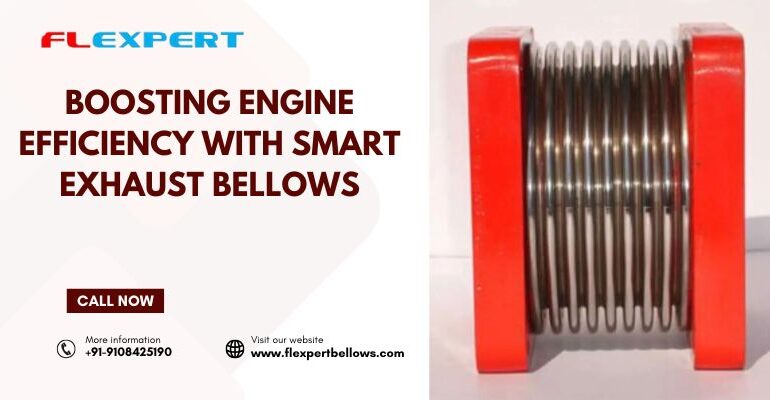
In modern industrial environments—whether it’s power generation, heavy machinery, or diesel-driven manufacturing plants—engine efficiency has quietly become a boardroom-level concern. And interestingly, one component that often gets overlooked plays a surprisingly influential role. Yes, we’re talking about exhaust pipe bellows. These flexible metal connectors may look simple, but they do some heavy lifting to keep engines running smoother and longer. Early in the process, many engineers rely on exhaust pipe bellows expansion joints to manage vibrations and thermal stress that, if ignored, can cost a fortune in maintenance.
Across India’s rapidly industrializing sectors—from textile mills in Gujarat to mining operations in Odisha—these bellows are helping operations cut downtime, improve fuel efficiency, and reduce emissions. And in systems where temperatures spike and exhaust flow is intense, they act as protective “shock absorbers” for the entire engine assembly.
What Makes Exhaust Pipe Bellows So Important?
Let’s be honest: industrial engines survive tough love. Constant heat cycles, pressure variations, vibration, and occasional overloads take a toll. Exhaust bellows help buffer these stresses so that engine components don’t have to bear the full brunt.
According to engineering research reported by the U.S. Department of Energy (energy.gov), even minor inefficiencies in exhaust systems can reduce overall engine performance by several percentage points—enough to impact operating costs significantly. When scaled across large Indian factories running 24×7, this difference adds up fast.
The Engineering Behind Their Efficiency Boost
Exhaust pipe bellows aren’t just flexible tubes; they’re precision-crafted, multi-layer metal assemblies that handle three major challenges:
- Thermal expansion: Engines expand and contract as temperatures change. Bellows absorb this movement.
- Vibration damping: By reducing vibrations, they prevent cracks and leaks in rigid exhaust lines.
- Back-pressure control: Properly designed bellows keep exhaust flow smooth, preventing efficiency losses.
Some industries in India also pair these bellows with catalytic converters or particulate filters, which further improve energy efficiency and compliance with tightening emission norms.
How Bellows Improve Overall Engine Performance?
1. Stabilizing Exhaust Flow
A stable exhaust flow means the engine can “breathe” better. When back-pressure spikes, engines work harder, burn more fuel, and produce more heat. Bellows balance these fluctuations, creating a smoother pressure profile that supports cleaner combustion.
2. Reducing Mechanical Stress
Think of an engine without bellows like a car driving over potholes without shock absorbers. Every jerk transfers force directly to the chassis. Similarly, without bellows, vibrations travel straight through exhaust pipes and into sensitive engine mounts and turbochargers. Over time, this leads to alignment issues, cracks, and lower fuel efficiency.
3. Supporting High-Temperature Applications
Industrial engines, especially diesel gensets, often operate between 400°C to 900°C exhaust temperatures. High-temperature bellows—typically made from stainless steel alloys—allow the system to move naturally without damaging structural components.
4. Lowering Maintenance and Operational Downtime
Across Indian industrial plants, unplanned downtime is one of the costliest issues. Studies referenced by the International Energy Agency (iea.org) highlight that even small component failures can ripple into long shutdowns. Installing bellows reduces such risks dramatically by preventing fatigue-related failures.
Where Exhaust Bellows Are Commonly Used in India?
- Large diesel generator (DG) sets used in IT parks, hospitals, and manufacturing clusters.
- Heavy earth-moving and mining equipment working in high-vibration environments.
- Marine engines used along India’s coastal industrial hubs.
- Power plant turbines and high-capacity boilers.
Many engineers also integrate durable exhaust expansion joints with insulation covers or acoustic silencers to achieve even better performance and noise control.
Choosing the Right Exhaust Bellows for Industrial Use
If you’re selecting bellows for a new or existing system, here are a few practical considerations:
- Material Grade: Stainless steel 304/316 remains common for high-temperature Indian applications.
- Pressure Rating: Always cross-check with engine specifications—oversized or underspecified bellows can cause efficiency losses.
- Multi-layer Designs: Multi-ply bellows offer better flexibility and longer lifecycle, especially for DG sets.
FAQs
1. What is the role of exhaust pipe bellows in industrial engines?
They absorb vibration, thermal expansion, and pressure fluctuations to protect exhaust systems and improve overall engine efficiency.
2. Do bellows reduce fuel consumption?
Indirectly, yes. By stabilizing back-pressure and improving exhaust flow, engines burn fuel more efficiently and experience fewer performance losses.
3. How long do industrial exhaust bellows last?
The lifespan varies, but well-designed stainless-steel bellows can last several years even in high-temperature environments when maintained properly.
4. Are exhaust bellows suitable for diesel generator sets?
Absolutely. In fact, they are widely used in DG sets across India to limit vibration, prevent exhaust leaks, and maintain consistent engine output.
Final Thoughts
Exhaust pipe bellows may not be the star of an industrial engine setup, but they undeniably hold the system together—quietly ensuring stability, efficiency, and longevity. For Indian industries aiming to reduce downtime and improve energy output, integrating high-quality bellows is one of the smartest engineering decisions you can make.
Full Audio: Listen Here