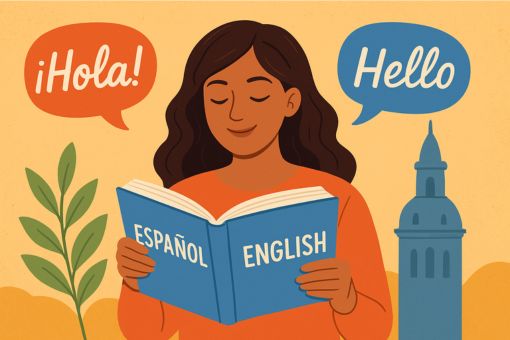
Ever wondered how reading can simultaneously entertain and educate? Diving into Spanish stories with English translation opens a vibrant world where language barriers dissolve, and cultural richness comes alive. From classic folktales to modern narratives, these bilingual gems are more than stories—they’re bridges connecting minds and hearts across languages.
Why Bilingual Stories Are a Game-Changer
Bilingual storytelling isn’t just a trend—it’s a proven method for boosting language retention and cultural literacy. According to research from U.S. Department of Education, exposure to dual-language materials improves reading comprehension and cognitive flexibility. Imagine reading a tale of magical realism in Spanish while instantly understanding it in English; your brain actively engages in translation, retention, and cultural context simultaneously.
Also Read: The Neuroscience of Bilingual Language Learning
Here’s what makes bilingual stories special:
- Language immersion: Encountering words in context makes learning intuitive.
- Cultural insight: Stories reflect social norms, humor, and historical contexts.
- Cognitive boost: Switching between languages enhances mental agility.
- Engagement: Readers are motivated by the narrative, not just vocabulary drills.
Top Genres for Spanish-English Readers
Not all stories are created equal when it comes to bilingual learning. Certain genres make the experience both enjoyable and educational:
1. Folktales and Legends
Spanish folklore, like “La Llorona” or “El Cid,” is rich in moral lessons and cultural nuances. Reading these with English translations allows readers to appreciate subtle idioms and regional expressions while understanding the narrative fully.
2. Contemporary Short Stories
Modern Spanish authors offer stories with relatable themes—love, adventure, mystery—that resonate with global readers. Their straightforward sentence structures often make translation smoother and learning less intimidating.
3. Children’s Stories
Don’t underestimate the power of children’s literature. Simple plots, repetitive language, and colorful illustrations make it easier for beginners to absorb Spanish naturally, paving the way to more complex literature.
Learning Spanish Through Stories: Tips & Techniques
If your goal is to master Spanish while enjoying literature, there are ways to maximize your learning:
- Read aloud: Improves pronunciation and auditory recognition.
- Take notes: Jot down unfamiliar words and expressions.
- Compare translations: See how nuances are captured in English.
- Use context: Don’t get stuck on every word; focus on overall meaning.
For those eager to accelerate their language journey, the Best Way to Learn Spanish often involves combining reading with other immersive techniques like podcasts, videos, or conversation practice. The stories act as anchors for vocabulary, grammar, and cultural insight, making the learning process both enjoyable and sustainable.
Additional Benefits Beyond Language
Bilingual stories offer perks beyond language acquisition:
- Empathy and cultural awareness: Understanding characters’ lives fosters global perspectives.
- Memory retention: Learning in two languages reinforces neural pathways.
- Entertainment value: You’re not just studying; you’re enjoying a rich literary experience.
FAQs About Spanish Stories with English Translation
1. Are bilingual stories suitable for beginners?
Absolutely. Many bilingual books start with simple vocabulary and gradually introduce complex language, making them ideal for beginners.
2. Can reading bilingual stories improve speaking skills?
Yes. Reading aloud and practicing dialogues from stories can significantly enhance pronunciation and conversational ability.
3. Where can I find quality Spanish-English stories?
Websites like Spanish stories with English translation provide curated collections suitable for all levels.
4. How often should I read bilingual stories to see progress?
Consistency is key. Reading for 20–30 minutes daily can yield noticeable improvements within a few months.
Final Thoughts
Exploring Spanish stories with English translation is more than a learning strategy—it’s an adventure. From cultural insights to language mastery, bilingual stories offer a playful yet effective way to expand horizons. Whether you’re a curious reader, language enthusiast, or lifelong learner, these tales are bridges to a richer, more connected world.
Also Read: Bilingual Story Magic for Spanish Learners
Blog Development Credits
This blog was a team effort fueled by smart ideas. Dual Language Stories picked the topic. Most content was crafted using tools like ChatGPT and Google Gemini. The Digital Piloto team polished and optimized the blog to ensure it’s clear, engaging, and SEO-friendly.