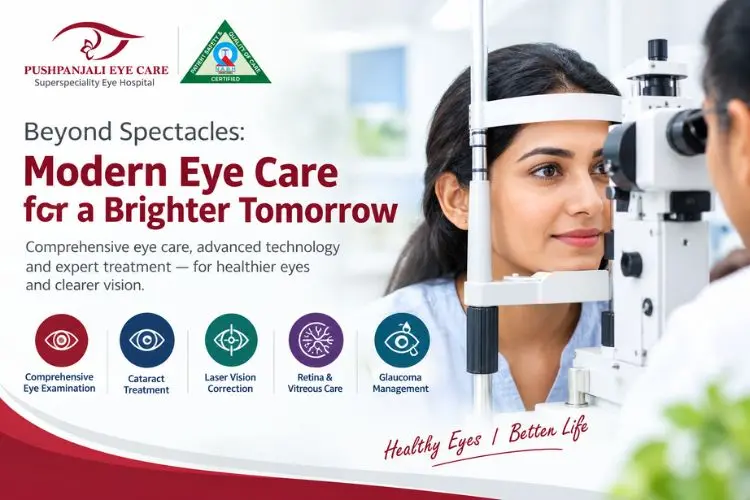
Modern eye care goes beyond prescribing spectacles; it focuses on understanding the health of your eyes, identifying potential problems early and choosing the right treatment for your individual needs. At Pushpanjali Eye Care, patients can explore comprehensive eye care options, from routine examinations and disease screening to cataract management and laser vision correction, guided by appropriate clinical assessment.
For anyone consulting an ophthalmologist in Kolkata, understanding the difference between correcting eyesight and maintaining eye health is an important first step. Clear vision is valuable, but it does not always mean the eyes are healthy.
What Does Comprehensive Eye Care Actually Mean?
Comprehensive eye care is an approach that evaluates both how well you see and how healthy your eyes are. It considers vision correction, eye disease prevention, early diagnosis and treatment when necessary.
Think of spectacles as one part of the solution rather than the whole picture. They can correct refractive errors such as short-sightedness, long-sightedness and astigmatism, but they do not treat conditions such as glaucoma, cataracts or retinal disease.
For example, someone may see clearly with their current glasses while having an early eye condition that causes few noticeable symptoms. A suitable eye examination can help identify problems that a simple spectacle-power check may miss.
Why Is Checking Eye Health as Important as Clear Vision?
Vision changes do not always happen suddenly. Some eye conditions develop gradually, allowing people to adapt without realising that their eyesight or eye health is deteriorating.
Three reasons not to rely on spectacles alone
- Early detection: Conditions such as glaucoma may progress without obvious early symptoms. Appropriate examinations can identify warning signs before significant damage occurs.
- Age-related changes: Cataracts can gradually make vision cloudy, reduce contrast and create difficulty with night driving, even when spectacles are updated.
- Underlying health concerns: Diabetes and certain other medical conditions can affect the retina and other eye structures, sometimes before noticeable vision changes develop.
Regular examinations are particularly important for people with diabetes, a family history of glaucoma, previous eye problems or age-related risk factors. The recommended frequency depends on individual health, symptoms and examination findings.
Which Modern Eye Care Options Are Available?
Modern eye care includes several approaches, and the right choice depends on the condition being treated. Not everyone needs surgery or advanced technology; sometimes an updated prescription and practical lifestyle changes are sufficient.
1. Comprehensive eye examinations
An eye examination may include visual acuity testing, spectacle-power assessment, eye-pressure measurement when indicated and examination of the front and back of the eyes. Additional tests, such as retinal imaging, visual-field testing or optical coherence tomography (OCT), may be recommended when clinically appropriate.
These tests serve different purposes. For instance, visual-field testing can help detect functional changes associated with glaucoma, while OCT produces detailed images of retinal structures and the optic nerve. No single test can diagnose every eye condition.
2. Cataract evaluation and treatment
A cataract develops when the eye’s natural lens becomes cloudy. Common signs include blurred vision, glare from headlights, faded colours and difficulty reading despite changing spectacles.
In early stages, updated glasses or improved lighting may help. When cataracts begin to interfere with everyday activities, an ophthalmologist may recommend surgery to replace the cloudy lens with an artificial intraocular lens.
Before making a decision, patients should understand the proposed procedure, lens options, expected visual outcomes and follow-up requirements. Discussing cataract surgery cost in Kolkata with the treating hospital can also help clarify what is included in the overall expense, such as investigations, the selected lens, surgery and postoperative care.
3. Laser vision correction
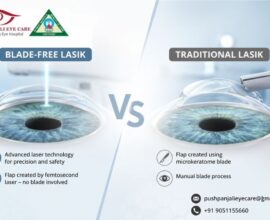
For suitable adults who want to reduce their dependence on spectacles or contact lenses, laser vision correction may be an option. Procedures such as LASIK reshape the cornea to correct certain refractive errors.
However, laser treatment is not appropriate for everyone. Corneal thickness, prescription stability, ocular surface health and other clinical factors must be assessed before surgery. Patients considering laser eye surgery in Kolkata should receive an individual suitability assessment rather than assuming that the procedure guarantees freedom from glasses.
4. Specialist care for eye diseases
Some conditions require focused assessment and long-term management. Glaucoma may need pressure-lowering medication, laser treatment or surgery, depending on the findings. Retinal conditions may require specialised imaging, injections, laser treatment or surgery.
The key point is that treatment should follow diagnosis. Similar symptoms can have different causes, so choosing a procedure before understanding the underlying problem can lead to inappropriate care.
How to Approach Your Eye Care Step by Step
A practical way to manage your eye health is to follow a clear process rather than waiting until vision becomes noticeably worse.
- Identify changes: Notice persistent blur, glare, difficulty reading, eye discomfort or changes in your field of vision.
- Arrange an examination: Share your symptoms, medical history, medication use and family history of eye disease.
- Understand the findings: Ask whether the issue is a refractive error, an eye disease or a combination of factors.
- Discuss suitable options: Review the benefits, limitations, risks and alternatives to any proposed treatment.
- Follow the recommended schedule: Attend follow-up appointments and continue prescribed treatment, even if your vision feels normal.
Sudden vision loss, a sudden increase in floaters, flashes of light, a curtain-like shadow across vision or severe eye pain requires urgent medical assessment. Do not wait for a routine appointment if these symptoms occur.
Everyday Habits That Support Long-Term Eye Health
Medical examinations remain essential, but daily habits can also support comfortable vision and help reduce avoidable risks.
- Manage screen time: Take regular breaks from prolonged near work, blink frequently and adjust screen brightness and distance for comfort.
- Protect your eyes: Use appropriate protective eyewear during activities that may cause eye injuries and UV-protective sunglasses outdoors.
- Manage general health: Keep diabetes and blood pressure under appropriate medical care, maintain a balanced diet and avoid smoking.
- Use eye medication carefully: Do not use steroid eye drops or leftover prescription drops without medical guidance.
- Keep appointments: Follow examination intervals recommended for your age, health history and individual risk factors.
These habits cannot prevent every eye disease, but they form a sensible foundation for maintaining eye health alongside professional care.
Frequently Asked Questions
Q. Is wearing spectacles enough to maintain healthy eyes?
A. No. Spectacles correct refractive errors, but they do not detect or treat every eye disease. Comprehensive examinations help assess eye health as well as vision.
Q. How often should I have an eye examination?
A. The appropriate interval depends on your age, symptoms, medical history and risk factors. People with diabetes, glaucoma risk or existing eye disease may need more frequent examinations.
Q. Can eye diseases develop without symptoms?
A. Yes. Some conditions, including early glaucoma and certain retinal problems, may cause few noticeable symptoms initially. Regular examinations can help detect changes earlier.
Q. Can laser eye surgery permanently remove the need for spectacles?
A. Laser vision correction can reduce dependence on spectacles in suitable patients, but results vary. Some people may still need glasses, and age-related near-vision changes can occur later.
Q. When should cataracts be treated?
A. Cataract surgery is generally considered when the condition interferes with daily activities or visual needs. The decision depends on examination findings, symptoms and an individual discussion with the ophthalmologist.
Conclusion: Think Beyond Clear Vision
Good eye care is about more than reading a chart clearly or updating spectacle power. It means understanding your individual risks, identifying changes early and choosing treatment based on a proper examination. Pushpanjali Eye Care encourages patients to take a proactive approach to vision health, because protecting sight begins with knowing what is happening inside the eyes, not simply how clearly they see.
Blog Development Credit
Blog developed with research and content support from ChatGPT, Google Gemini, and Pushpanjali Eye Care, focusing on patient education, modern eye care practices, and preventive vision health.