
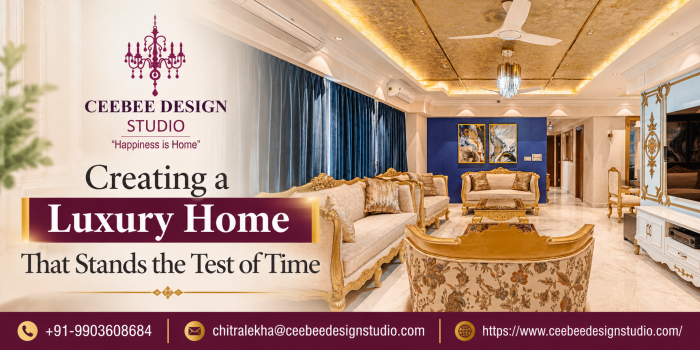
Luxury interiors are often associated with expensive furniture, dramatic lighting, and fashionable finishes. But does a beautiful home still feel special after ten or fifteen years? True luxury is less about following trends and more about creating spaces that remain elegant, comfortable, and meaningful over time. Designing a timeless home requires thoughtful choices, quality materials, and a little restraint.
For homeowners in India, achieving this balance means combining contemporary comforts with traditional influences and practical living requirements. A thoughtfully planned luxury interior design company in India can help bring these elements together, creating interiors that feel sophisticated today and continue to look beautiful for generations.
1. Choose a Classic Foundation Instead of Following Trends
Trends come and go. One year, bold geometric patterns dominate luxury apartments; the next, everyone seems to prefer curved furniture and muted colours. Following every new trend can make a home feel outdated surprisingly quickly.
Instead, begin with a timeless foundation. Neutral colours such as warm white, beige, ivory, taupe, and soft grey create a sophisticated backdrop. These shades also allow homeowners to introduce personality through artwork, decorative accessories, and furniture without redesigning the entire space.
For Indian homes, earthy colours inspired by natural stone, traditional textiles, and wooden finishes work particularly well. They create warmth while maintaining an understated sense of elegance.
2. Invest in Quality Materials and Finishes
A timeless luxury home should look beautiful up close, not just in photographs. This is where material selection becomes important. Rather than choosing finishes simply because they are fashionable, consider their durability, texture, maintenance requirements, and ageing characteristics.
Some materials that consistently contribute to sophisticated interiors include:
- Natural marble: Adds elegance to flooring, countertops, and statement walls when selected and maintained appropriately.
- Solid wood: Brings warmth and character to furniture, cabinetry, doors, and decorative details.
- Natural stone: Creates visual depth in bathrooms, feature walls, and living spaces.
- Brass and brushed metal: Introduce subtle sophistication through handles, lighting fixtures, and accessories.
- Premium fabrics: Linen, cotton, velvet, and wool add texture and comfort without relying on excessive decoration.
Remember, expensive materials do not automatically create a luxurious atmosphere. Their quality, proportions, and application matter far more.
3. Create a Balanced and Functional Layout
A beautiful interior can quickly lose its appeal if everyday movement feels uncomfortable. A timeless home should support the way people actually live, whether that means hosting weekend gatherings, enjoying quiet family evenings, or creating a comfortable work-from-home corner.
Focus on open circulation, practical storage, and clearly defined spaces. Avoid filling every corner with furniture simply to make a room appear grand. Leaving some breathing room allows individual design elements to stand out.
Consider These Layout Principles
- Keep sufficient walking space between sofas, tables, and other furniture.
- Position seating to encourage natural conversation rather than focusing entirely on television screens.
- Include concealed storage to maintain a clean and organised appearance.
- Plan lighting, electrical points, and charging stations according to everyday requirements.
- Allow natural light and ventilation wherever the architectural layout permits.
Good space planning is particularly valuable in Indian homes, where family activities, entertaining guests, and personal routines often share the same living environment.
4. Combine Modern Luxury with Indian Heritage
Timeless interiors do not need to look Western or overly minimal. In fact, some of the most memorable Indian homes combine modern architectural details with traditional craftsmanship.
Imagine a contemporary living room featuring a beautifully carved wooden console, handcrafted brass accessories, and artwork inspired by Indian culture. The result feels personal rather than copied from a design catalogue.
Homeowners can introduce cultural character through:
- Handwoven rugs and traditional Indian textiles.
- Handcrafted wooden furniture and decorative screens.
- Brass, copper, or stone accessories.
- Locally sourced artwork and artisanal décor.
- Subtle references to traditional architectural patterns.
The secret is moderation. A few thoughtfully selected heritage elements can create more visual impact than an entire room filled with decorative objects.
5. Make Lighting an Essential Design Element
Lighting has an extraordinary ability to change how a home feels. Even beautifully selected furniture and finishes can appear ordinary under harsh or poorly positioned lighting.
A layered lighting approach is usually the most effective. Combine ambient lighting for general illumination, task lighting for reading or cooking, and accent lighting to highlight architectural features or artwork.
In Indian homes, natural daylight deserves equal attention. Large windows, suitable curtains, reflective surfaces, and thoughtfully positioned mirrors can help brighten interiors. In warmer regions, external shading and appropriate glazing can also improve indoor comfort.
6. Prioritise Comfort and Climate-Responsive Design
Luxury should be experienced, not merely admired. A home that looks impressive but feels uncomfortable during an Indian summer has missed an important part of good design.
Consider cross-ventilation, ceiling fans, shaded balconies, suitable window treatments, and materials that respond well to local climatic conditions. A home in Mumbai may require a different approach to humidity and ventilation than a residence in Jaipur or Bengaluru.
The Bureau of Energy Efficiency’s Eco Niwas Samhita guidelines emphasise residential building-envelope performance, natural ventilation, and daylighting. These principles demonstrate why comfort and energy-conscious planning belong in conversations about long-term residential design.
7. Work with Experienced Interior Design Professionals
Creating a timeless home involves coordinating several details, from architectural proportions and material combinations to furniture placement and lighting. This is where experienced professionals can make a meaningful difference.
Working with premium interior designers in India can help homeowners develop a consistent design direction while avoiding unnecessary expenses and short-lived trends. Professional guidance also helps balance aesthetic preferences with practical requirements, budgets, and long-term maintenance.
Before finalising a design team, review its previous projects, understand its design approach, discuss material specifications, and establish clear expectations about timelines and budgets.
Frequently Asked Questions
1. What makes a luxury home design timeless?
A timeless luxury home combines classic proportions, durable materials, balanced colours, functional layouts, and carefully selected furnishings. It prioritises lasting quality and comfort over temporary design trends.
2. Which colours are best for timeless luxury interiors?
Neutral shades such as ivory, beige, warm white, taupe, and soft grey are excellent choices. Natural greens, muted blues, and earthy tones can add character without making the interiors feel dated.
3. How can I make my Indian home look luxurious without excessive spending?
Focus on good space planning, quality finishes in important areas, layered lighting, and a few distinctive furniture pieces. Thoughtful combinations of locally crafted décor and natural materials can also create an elegant appearance without overspending.
4. Should I avoid modern trends when designing a timeless home?
Not necessarily. Modern trends can add personality when introduced through easily replaceable elements such as cushions, artwork, rugs, and accessories. Keep permanent features and major investments relatively classic.
Final Thoughts
A truly luxurious home is not defined by how much it costs or how closely it follows the latest interior design trends. Its real value lies in how naturally beauty, comfort, functionality, and personal expression come together. Choose quality over quantity, embrace thoughtful design, and allow your home to reflect your lifestyle. After all, the most beautiful interiors are those that continue to feel right, year after year.
Full Audio: Listen Here