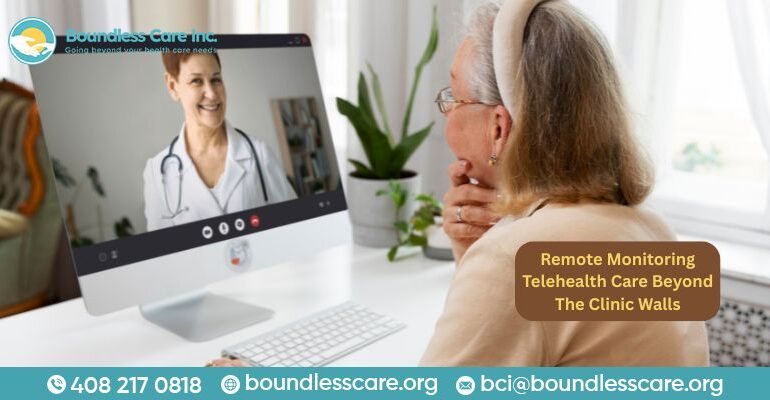
Modern healthcare is moving beyond traditional appointments and waiting rooms. Today, technology allows patients and providers to stay connected in smarter ways. Remote monitoring telehealth is becoming a powerful tool that helps people receive timely support, manage health conditions, and enjoy greater confidence while continuing their daily lives from home.
One of the key drivers behind this transformation is telehealth patient monitoring. By using digital tools to collect and share health information, healthcare professionals can better understand patient needs between visits. This creates a more proactive approach where care teams can identify concerns earlier instead of waiting until problems become more serious.
The Changing Face of Modern Healthcare
Healthcare has traditionally been built around face-to-face interactions. While in-person care remains essential, the demand for flexible and accessible solutions has grown. People want healthcare that fits into their routines, not systems that require them to constantly adjust their lives around appointments.
Remote monitoring telehealth is helping bridge this gap by connecting patients, caregivers, and healthcare providers through secure digital communication. According to the U.S. Department of Health and Human Services, telehealth has expanded access to healthcare services, especially for individuals facing transportation barriers or limited mobility. More information about telehealth programs can be found at Telehealth.HHS.gov.
How Remote Monitoring Telehealth Improves Patient Care?
Remote monitoring is more than simply collecting health information. It creates a continuous connection between patients and healthcare teams. Imagine having a healthcare partner that can notice important changes and provide guidance before a small concern becomes a major issue.
Some ways remote monitoring is improving healthcare include:
- Earlier health awareness: Providers can identify unusual changes and recommend support sooner.
- Better chronic disease management: Patients with ongoing conditions can receive consistent monitoring and guidance.
- Improved convenience: Healthcare becomes easier for individuals who find frequent travel challenging.
- Stronger care coordination: Families and healthcare professionals can work together more effectively.
The Role of Technology in Personalized Healthcare
Every patient has different health needs, lifestyles, and goals. A solution that works well for one person may not be ideal for another. Remote monitoring telehealth supports personalized healthcare by allowing providers to understand individual patterns and create more suitable care strategies.
For example, someone recovering after a medical procedure may benefit from regular check-ins, while a senior managing a chronic condition may need ongoing health tracking. Instead of using a general approach, technology allows care teams to provide support based on real-world information.
When combined with compassionate assistance, digital healthcare can create a stronger support system. Services such as seniors home care services in Santa Clara help provide personal interaction, daily assistance, and emotional support while technology helps monitor important health updates.
Key Benefits of Remote Patient Monitoring
- Convenient access: Patients can receive healthcare support without unnecessary trips.
- Preventive care opportunities: Health changes can be noticed before they become urgent situations.
- Patient empowerment: Individuals can become more involved in managing their own health.
How Communities Are Adopting Smarter Healthcare Solutions?
Communities across the country are exploring new ways to make healthcare more accessible. For seniors, individuals with disabilities, and patients managing long-term conditions, remote healthcare solutions can remove many everyday obstacles.
In areas where convenient healthcare access is important, telecare monitoring services in Santa Clara provide an opportunity for individuals to stay connected with healthcare professionals while maintaining comfort and independence at home.
This approach supports a variety of healthcare needs, including chronic condition monitoring, wellness check-ins, and ongoing health management. By combining technology with professional care, patients can receive support that feels both efficient and personal.
The Future of Connected Healthcare
The future of healthcare is likely to focus on connection rather than separation. Patients will continue to expect healthcare experiences that are convenient, responsive, and centered around their individual needs.
Several trends are shaping the future of remote healthcare:
- Wearable health technology: Smart devices are making it easier to collect valuable health information throughout daily activities.
- Artificial intelligence support: Advanced systems are helping healthcare teams identify patterns and improve decision-making.
- Hybrid care models: Combining virtual services with in-person care creates a more complete healthcare experience.
Why Remote Monitoring Is More Than Just Technology?
Although technology plays an important role, successful healthcare is still built on trust and human connection. A monitoring system can provide information, but healthcare professionals provide understanding, reassurance, and guidance.
The true value of remote monitoring telehealth comes from combining innovation with compassion. It allows healthcare providers to stay involved while giving patients more freedom, comfort, and confidence in managing their health.
Frequently Asked Questions
1. What is remote monitoring telehealth?
Remote monitoring telehealth uses digital technology to collect patient health information and share it with healthcare providers for continuous monitoring and support.
2. Who can benefit from remote monitoring healthcare?
Patients with chronic conditions, seniors, individuals recovering at home, and people who need regular health observation can benefit from remote monitoring services.
3. Does remote monitoring replace in-person healthcare?
No. Remote monitoring complements traditional healthcare by helping providers track progress and make better-informed decisions between appointments.
4. How does remote monitoring improve patient safety?
It improves safety by helping healthcare teams identify potential concerns earlier and provide timely guidance when changes occur.
Final Thoughts
Remote monitoring telehealth is transforming modern healthcare by making care more connected, personalized, and accessible. As technology continues to evolve, it will continue supporting patients and healthcare providers in creating better health experiences. The future of healthcare is not only about advanced tools it is about using those tools to deliver more meaningful care.