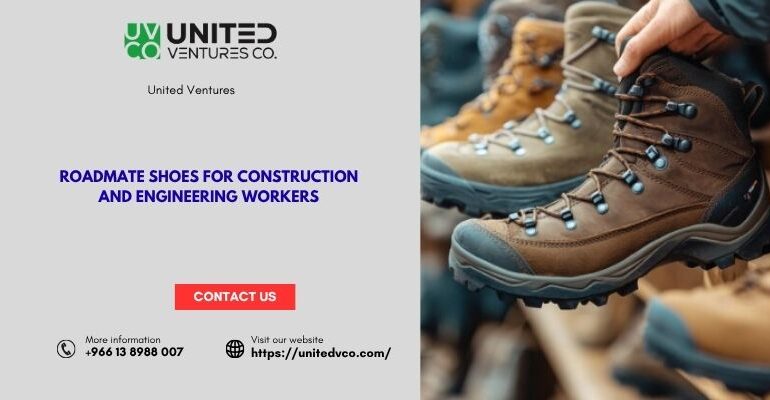
Construction and engineering environments demand more than technical expertise and reliable equipment. Workers also need personal protective equipment that helps reduce exposure to common workplace hazards. Among the essential items, Roadmate Shoes can provide practical foot protection for professionals working across demanding industrial environments.
Construction sites, manufacturing facilities, engineering projects, warehouses, and industrial plants can expose workers to falling objects, sharp materials, slippery surfaces, heavy equipment, and other hazards. OSHA identifies protective footwear as important where workers face risks from falling or rolling objects, objects piercing the sole, or electrical hazards. The right safety footwear therefore needs to balance protection, fit, durability, and everyday comfort.
Why Foot Protection Matters in Construction and Engineering?
Workers in construction and engineering frequently move through environments where hazards can change from one task or location to another. A worker may walk across uneven surfaces, handle materials, operate around machinery, or work near tools and components that could fall or create puncture risks.
Safety shoes create a protective layer between the worker’s feet and these workplace hazards. OSHA’s foot-protection guidance identifies impact, compression, puncture, and electrical protection as considerations depending on the work environment.
For employers, selecting suitable footwear should begin with a workplace hazard assessment. The objective is not simply to choose the most heavily reinforced shoe available, but to select footwear appropriate for the hazards workers actually encounter.
What Makes Roadmate Shoes Suitable for Demanding Workplaces?
Roadmate is one of the safety-footwear ranges offered by United Ventures Co. Its current foot-protection category includes several Roadmate models alongside other protective footwear options.
For example, the Roadmate 508 features a PU and mesh upper, low-ankle design, BK mesh lining, steel toe cap, and an EVA MD plus rubber sole. The product information identifies construction, manufacturing, and related professional environments as suitable applications.
The Roadmate RM 19040 BLK is another example, featuring a flexible PU upper, breathable mesh lining, EVA-laminated insole, steel toe cap, and rubber plus EVA MD outsole. The listed model states compliance with ASTM F2413-18 and is available in sizes 40–46.
These specifications illustrate an important point: safety footwear should be evaluated based on its actual construction and stated performance requirements rather than appearance alone.
Key Features Workers Should Look For
Protective Toe Construction
A protective toe can help reduce the consequences of certain impact and compression hazards. This can be particularly relevant when workers handle heavy components, tools, construction materials, or equipment.
OSHA’s guidance notes that impact protection is relevant where objects could fall onto the feet, while compression protection is important where heavy objects could potentially roll over a worker’s feet.
Slip-Resistant Performance
Construction and engineering workplaces can contain wet, oily, dusty, or otherwise slippery surfaces. A suitable outsole can help provide traction and reduce the risk of slips during routine movement.
However, employers should match footwear performance to the actual site conditions. No outsole should be treated as a universal solution for every surface or hazard.
Comfort for Long Working Hours
Protection is only useful when workers can comfortably wear the footwear throughout their working day. Poorly fitting shoes can create discomfort and may affect mobility and concentration.
NIOSH emphasizes the importance of proper PPE fit in construction because workers have different body sizes and requirements. Its guidance identifies safety shoes among the PPE commonly relied upon by construction workers.
Roadmate models offered by United Ventures include features such as breathable mesh components and cushioning materials in selected designs, which can support comfort during extended use.
Roadmate Shoes for Construction Workers
Construction workers can encounter multiple foot hazards during a single shift. Materials may fall, surfaces may be uneven, and workers can move between indoor and outdoor environments. Suitable safety footwear can therefore become an important part of the overall PPE system.
Roadmate models with protective toe construction can be considered where the workplace hazard assessment identifies the need for this type of protection. Workers should also check whether additional characteristics, such as puncture resistance, electrical protection, water resistance, or enhanced traction, are required for their particular tasks.
The correct selection depends on the work environment rather than the brand name alone. Employers should review product specifications and applicable workplace requirements before issuing footwear.
Roadmate Shoes for Engineering and Industrial Work
Engineering professionals may work in manufacturing plants, fabrication areas, maintenance environments, mechanical workshops, infrastructure projects, or other industrial locations. These settings can involve machinery, metal components, tools, cables, oils, and moving materials.
Footwear selection should therefore form part of a broader PPE strategy. Along with protective shoes, workers may require helmets, gloves, eye protection, hearing protection, respiratory protection, or other equipment depending on the identified hazards.
United Ventures Co. describes its wider offering as including industrial equipment and PPE, with products such as helmets, gloves, goggles, and masks. The company states that its PPE products undergo quality checks as part of its focus on workplace safety.
Choosing the Right Safety Shoes for the Job
Choosing safety footwear should begin with five basic questions:
- What hazards are workers exposed to?
- Is impact or compression protection required?
- Could sharp materials penetrate the sole?
- Are wet, oily, or slippery surfaces common?
- What level of comfort and fit is needed for the duration of the shift?
Electrical hazards may also require specific footwear characteristics. OSHA states that protective footwear is required in applicable areas where workers’ feet are exposed to electrical hazards.
It is also important to verify the applicable standard for the workplace and product. For example, the Roadmate RM 19040 BLK product page specifically identifies ASTM F2413-18 compliance. Employers should confirm that the exact model selected provides the protection required by their hazard assessment and applicable regulations.
Why Fit Should Not Be Overlooked?
A safety shoe that does not fit properly can undermine its practical value. Workers spend many hours walking, standing, climbing, and performing physical tasks, so footwear needs to provide an appropriate balance of protection and mobility.
OSHA’s construction PPE requirements explicitly address proper fit, while NIOSH has highlighted PPE-fit challenges in construction workplaces.
Organizations should therefore consider available sizes, worker comfort, foot shape, sock compatibility, and the expected duration of use when selecting safety footwear. Workers should also report persistent discomfort or fit problems rather than simply continuing to wear unsuitable footwear.
Building a Complete Workplace Safety Strategy
Safety shoes should not be viewed as a replacement for engineering controls, safe operating procedures, training, or other protective measures. NIOSH describes PPE as the last level in the hierarchy of controls when other measures cannot sufficiently eliminate or reduce hazards.
This means organizations should first identify and control hazards wherever reasonably possible, then use PPE to provide additional protection. Footwear becomes one part of a larger safety system.
Companies looking for broader Industrial Equipment Solutions in Saudi Arabia can also consider how safety footwear fits into their wider procurement strategy. Coordinating footwear with other PPE and industrial requirements can make purchasing and workplace safety management more consistent.
Roadmate Shoes as Part of a Practical PPE Program
The strongest reason to consider Roadmate Shoes is not simply their protective appearance. Their value comes from combining relevant safety features with practical designs intended for demanding working environments. United Ventures currently lists Roadmate models for applications including construction, manufacturing, chemical, oil and gas, electrical, and utility industries.
Organizations should still select individual models according to their own hazard assessments. Different work environments require different levels and types of protection, and a shoe suitable for one task may not be suitable for another.
Frequently Asked Questions
1. What are Roadmate Shoes used for?
Roadmate Shoes are safety footwear designed for occupational environments where workers require foot protection. United Ventures lists Roadmate products for industries such as construction, manufacturing, chemical, oil and gas, electrical, and utility work.
2. Are Roadmate Shoes suitable for construction workers?
Yes, selected Roadmate models are positioned for construction and related professional environments. However, workers and employers should select a specific model according to the hazards present and the protection required.
3. Do Roadmate Shoes have steel toe caps?
Selected Roadmate models do. For example, the Roadmate 508 and RM 19040 BLK product pages specify steel toe caps.
4. Why is proper fit important in safety footwear?
Proper fit supports comfort, mobility, and effective PPE use. OSHA and NIOSH both emphasize appropriate PPE fit, particularly in construction environments.
5. How should a company choose safety shoes for workers?
Start with a workplace hazard assessment. Identify risks such as falling objects, compression, punctures, slippery surfaces, and electrical exposure, then select footwear whose specifications address the identified hazards and applicable requirements.
Final Thoughts
For construction and engineering professionals, safety footwear is an important part of workplace protection. The right shoes can help workers address specific foot hazards while supporting the comfort and mobility required for long and demanding shifts.
Roadmate Shoes offer several models designed around features such as protective toe caps, durable soles, breathable materials, and workplace-oriented construction. United Ventures’ current range includes multiple Roadmate options, allowing organizations to evaluate different designs according to their operational requirements.
Ultimately, the best safety shoe is the one that matches the identified workplace hazards, applicable standards, required protection, and worker fit. Businesses should therefore treat footwear selection as part of a complete PPE and safety-management strategy rather than making a decision based on price or appearance alone.
For organizations sourcing safety footwear and wider industrial products, United Ventures Co. provides a broader portfolio of PPE and industrial equipment solutions. A carefully planned procurement approach can help businesses equip their workforce with products appropriate for the demands of their working environment.
Full Audio Version:- Click Here