
Every pipeline is built to move something valuable—water, steam, chemicals, gas, or oil. Yet even the strongest piping systems face constant stress from temperature changes, vibration, and pressure fluctuations. Without the right protective components, these everyday forces can quietly weaken a pipeline until failure becomes unavoidable. That’s why smart businesses invest in reliable engineering solutions before problems begin.
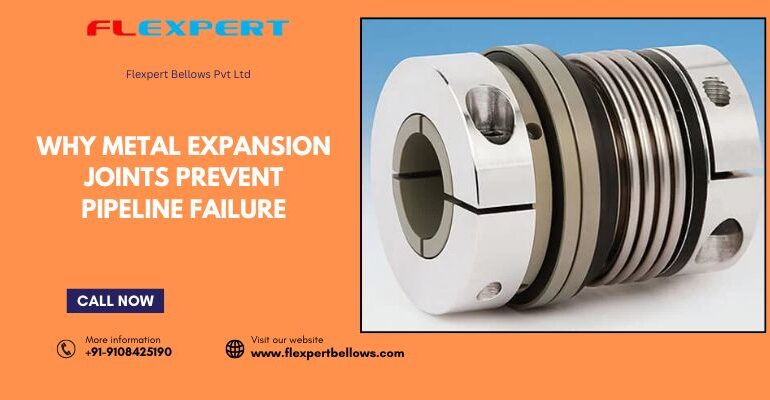
One of the most effective ways to improve pipeline reliability is by installing Metal Expansion Joints. These flexible components absorb movement, reduce mechanical stress, and extend the life of industrial piping systems. Whether you’re managing a manufacturing plant or planning a commercial infrastructure project, understanding their value can save both time and money.
Why Pipelines Fail More Often Than You Think?
Pipeline failure rarely happens overnight. In most cases, it develops slowly as equipment experiences repeated expansion, contraction, vibration, or pressure cycles. Even perfectly installed systems can suffer if thermal movement isn’t properly managed.
According to the U.S. Department of Energy, thermal expansion and mechanical stress significantly influence the long-term performance of industrial equipment when not adequately controlled.
Ignoring these factors may result in:
- Unexpected pipe cracking
- Flange leakage
- Equipment misalignment
- Higher maintenance costs
- Unplanned production downtime
How Metal Expansion Joints Protect Industrial Pipelines?
Think of a pipeline as a living system. Just as bridges expand during summer heat, industrial pipes constantly move with changing operating conditions. Metal expansion joints are designed to safely absorb this movement instead of allowing stress to accumulate within the piping network.
They help compensate for:
- Thermal expansion and contraction
- Axial, lateral, and angular movement
- Pump and compressor vibration
- Pressure-induced displacement
- Minor installation misalignment
This flexibility prevents excessive force from reaching sensitive equipment, protecting both the pipeline and connected machinery.
The Business Benefits Go Beyond Safety
For business owners, preventing pipeline failure isn’t only about avoiding repairs. It’s about maintaining productivity, protecting investments, and delivering uninterrupted service to customers.
Reduced Maintenance Expenses
Frequent repairs consume labor, spare parts, and valuable production time. Expansion joints reduce wear on the overall system, lowering maintenance requirements over the equipment’s lifespan.
Improved Equipment Reliability
By minimizing vibration and mechanical loads, connected pumps, valves, boilers, and heat exchangers experience less operational stress.
Longer Service Life
Industrial piping systems designed with proper movement compensation often operate more efficiently for many years before major replacements become necessary.
Choosing the Right Design Matters
Not every expansion joint performs the same job. The correct design depends on pressure, temperature, media, movement requirements, and installation conditions.
Working with an experienced Metal Bellows Expansion Joints Manufacturer helps ensure every component matches your operating environment rather than relying on a one-size-fits-all solution.
Additional SEO-relevant considerations include:
- Industrial expansion joints
- Pipeline expansion compensators
- High-pressure piping systems
Installation Is Only Half the Job
Even premium-quality expansion joints can underperform if installed incorrectly. Proper alignment, anchoring, and support systems are equally important for long-term reliability.
Businesses looking to improve overall piping performance should also review these Best Practices to Optimize High-Pressure Piping System Performance. Following proven engineering guidelines helps maximize efficiency while reducing operational risks.
Signs Your Pipeline May Need Expansion Joints
If your system already shows warning signs, delaying corrective action can become expensive.
- Repeated flange leakage
- Noticeable pipe vibration
- Frequent gasket replacement
- Unexpected equipment movement
- Visible pipe distortion after heating cycles
Addressing these issues early often costs far less than recovering from a complete pipeline failure.
Frequently Asked Questions
1. What causes thermal expansion in pipelines?
Temperature changes cause metal pipes to expand and contract. Without expansion joints, this movement creates stress that may eventually damage the system.
2. Where are metal expansion joints commonly used?
They are widely used in power plants, chemical processing, HVAC systems, oil and gas facilities, water treatment plants, and manufacturing industries.
3. How long do metal expansion joints last?
The service life depends on operating pressure, temperature, movement cycles, installation quality, and maintenance practices. Properly selected joints can perform reliably for many years.
4. Can expansion joints reduce maintenance costs?
Yes. By absorbing movement and vibration, they reduce stress on connected equipment, minimizing repairs, extending equipment life, and lowering maintenance expenses.
Final Thoughts
Pipeline failures rarely happen without warning—they usually result from unmanaged stress building over time. Investing in properly engineered metal expansion joints is a practical way to improve safety, reduce downtime, and protect valuable industrial assets. For businesses focused on long-term performance and operational efficiency, choosing quality expansion solutions is a decision that delivers measurable value year after year.
Full Audio Version: Click Here