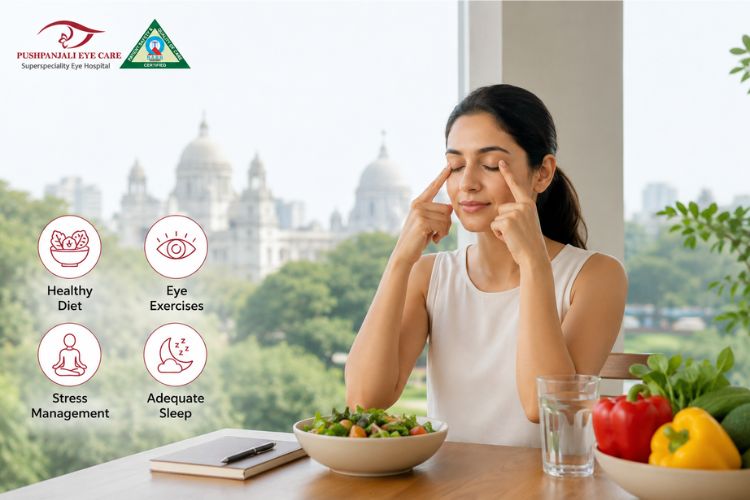
Modern life has changed the way we use our eyes. Long hours on phones, endless scrolling, late-night work, and even poor sleep habits are quietly affecting vision for people of all ages. Many patients visiting Pushpanjali Eye Care often ask a simple question: can lifestyle changes actually improve eyesight? The answer, according to experts, is more nuanced than a quick “yes” or “no.”
While lifestyle habits may not magically eliminate the need for glasses, healthy routines can absolutely protect eye function, reduce strain, and slow down certain vision-related problems. In fact, specialists at Best Eye Doctor Kolkata clinics often emphasize prevention just as much as treatment. A few mindful changes today may help your eyes stay healthier for years.
Why Lifestyle Matters More Than You Think
Your eyes are deeply connected to overall health. Blood circulation, nutrition, sleep quality, hydration, and even stress levels can influence how comfortably and efficiently your eyes function. Think of your vision like a camera lens—if the surrounding system is neglected, performance naturally drops over time.
According to the National Eye Institute, conditions such as diabetes, high blood pressure, and obesity can increase the risk of serious eye diseases.
That’s one reason eye specialists now talk about “preventive eye care” more than ever before.
Small Daily Habits That Support Better Vision
1. Reduce Digital Eye Strain
Most urban professionals spend 7–10 hours staring at screens daily. Unsurprisingly, complaints of dry eyes, headaches, and blurry vision have increased sharply in cities like Kolkata.
- Follow the 20-20-20 rule: every 20 minutes, look at something 20 feet away for 20 seconds.
- Keep screens slightly below eye level.
- Use proper lighting to avoid glare.
- Blink consciously while working.
These sound basic, honestly, but many patients notice relief within days after adopting them consistently.
2. Eat Foods That Nourish the Eyes
Your diet plays a surprisingly important role in maintaining healthy vision. Nutrients like Vitamin A, Omega-3 fatty acids, lutein, and zinc help support retinal health and reduce oxidative stress.
Some vision-friendly foods include:
- Spinach and leafy greens
- Carrots and sweet potatoes
- Fish rich in Omega-3
- Citrus fruits and berries
- Eggs and nuts
The American Academy of Ophthalmology also highlights that antioxidant-rich diets may help reduce age-related eye problems.
3. Sleep Is More Important Than Most People Realize
Many people underestimate how much sleep affects eye comfort. Poor sleep often leads to twitching, dryness, irritation, and difficulty focusing. During sleep, your eyes recover from strain and replenish moisture naturally.
Experts usually recommend 7–8 hours of quality sleep for adults, especially for individuals working long hours on digital devices.
Can Lifestyle Changes Reverse Poor Eyesight?
This is where expectations need to stay realistic. Lifestyle improvements cannot permanently reverse refractive errors like myopia or astigmatism. However, they can significantly improve visual comfort and reduce the progression of certain issues.
For example:
- Managing blood sugar may help protect vision in diabetic patients.
- Regular exercise improves blood circulation to the eyes.
- UV protection lowers long-term sun-related eye damage.
- Quitting smoking reduces the risk of cataracts and retinal problems.
Many specialists at an experienced Eye Clinic in Kolkata often explain that prevention works quietly over time. You may not “feel” the benefit immediately, but your eyes certainly do.
The Connection Between Stress and Eye Health
Stress doesn’t just affect the mind—it can affect the eyes too. People under prolonged stress sometimes report blurred vision, eye fatigue, light sensitivity, or headaches.
Simple relaxation practices may help:
- Short evening walks
- Meditation or breathing exercises
- Limiting screen exposure before bedtime
- Taking short visual breaks during work
It may sound surprisingly simple, but calmer routines often lead to more relaxed eye muscles and less strain overall.
Why Regular Eye Exams Still Matter
Lifestyle changes are valuable, but they cannot replace professional eye checkups. Certain eye diseases progress silently without noticeable symptoms in the early stages.
Conditions like glaucoma, retinal disorders, and diabetic eye disease may only be detected through comprehensive screening. That’s why consulting a qualified Glaucoma Specialist in Kolkata becomes essential, especially for adults above 40 or individuals with a family history of eye disease.
Regular eye examinations can also help detect:
- Early cataracts
- Dry eye syndrome
- Retinal changes
- Eye pressure abnormalities
- Vision deterioration linked to diabetes
Also Read: Latest Technology in Laser Eye Surgery Available in Kolkata
Frequently Asked Questions
Q. Can eye exercises naturally improve eyesight?
A. Eye exercises may reduce strain and improve focus flexibility, but they generally do not cure refractive errors like near-sightedness or far-sightedness.
Q. Which foods are best for healthy eyes?
A. Leafy vegetables, fish rich in Omega-3, carrots, citrus fruits, and nuts are widely considered beneficial for maintaining good eye health.
Q. Does screen time permanently damage eyesight?
A. Excessive screen use mainly causes digital eye strain and dryness. While it may not permanently damage eyesight directly, long-term unhealthy habits can worsen visual discomfort.
Q. How often should adults get an eye checkup?
A. Most adults should have an eye exam every 1–2 years, though individuals with diabetes, glaucoma risk, or existing vision problems may require more frequent visits.
Final Thoughts
Healthy eyesight is rarely shaped by one dramatic change. More often, it’s built through small, consistent habits—better sleep, smarter screen use, nutritious meals, and regular eye checkups. While lifestyle improvements may not replace glasses or medical treatments, they can absolutely support stronger long-term eye health. Sometimes the simplest routines make the biggest difference over time.
Blog Development Credit
This blog was developed with research assistance and content insights from advanced AI platforms including ChatGPT and Google Gemini to maintain relevance, clarity, and reader-focused value. The editorial refinement, SEO planning, and final content management were independently handled by Pushpanjali Eye Care.