Walk into any warehouse, factory, or workshop, and the floor quietly does most of the heavy lifting. It supports machinery, absorbs foot traffic, and takes daily abuse without complaint. When it comes time to upgrade, the decision often narrows to two popular options: PVC interlocking floor tiles or epoxy flooring. Both promise durability but in real-world conditions, they behave very differently. Let’s break it down practically.
For many facility managers working with a PVC interlocking floor tiles supplier Saudi Arabia, the appeal lies in speed, flexibility, and long-term value. Epoxy, on the other hand, is often chosen for its seamless finish and chemical resistance. The right choice depends on how your space actually operates day to day.
Understanding the Basics
What Are PVC Interlocking Floor Tiles?
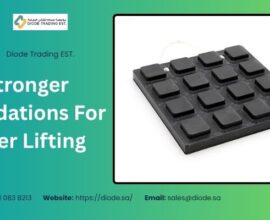
PVC interlocking tiles are modular flooring panels designed to lock together without adhesives.
They’re typically installed over existing concrete, even if the surface isn’t perfect. Think of them as industrial-grade puzzle pieces strong, adaptable, and surprisingly forgiving.
What Is Epoxy Flooring?
Epoxy flooring is a resin-based coating applied directly to prepared concrete. Once cured, it forms a smooth, hard surface. While visually clean and chemical-resistant, epoxy is far less flexible once installed.
Installation: Time, Disruption, and Reality
This is often where the biggest practical difference shows up.
- PVC Interlocking Tiles: Can often be installed in hours, sometimes without shutting down operations. No curing time means instant usability.
- Epoxy Flooring: Requires surface grinding, drying, application, and curing often several days of downtime.
According to the U.S. Occupational Safety and Health Administration (OSHA), prolonged installation downtime can increase temporary workplace hazards due to rerouted workflows and congestion (osha.gov). That’s a factor many managers overlook.
Durability Under Daily Stress
Both options are durable-but in different ways.
- PVC tiles absorb impact better, making them ideal for dropped tools or rolling loads.
- Epoxy resists chemicals well but can crack if the concrete underneath shifts.
- Damaged PVC tiles can be replaced individually; epoxy repairs are often visible and labor-intensive.
Facilities sourcing from a warehouse flooring tiles supplier Saudi Arabia often value this replaceability it keeps maintenance costs predictable.
Safety and Comfort on the Floor
Safety isn’t just about slip resistance; it’s also about fatigue and long-term comfort.
- PVC interlocking tiles offer natural cushioning, reducing strain during long shifts.
- Textured surfaces improve grip, even in dusty or oily environments.
- Epoxy can become slippery when wet unless additives are applied.
The National Institute for Occupational Safety and Health (NIOSH) links hard flooring to increased musculoskeletal fatigue in industrial workers (cdc.gov/niosh). That’s one reason modular flooring is gaining ground.
Maintenance and Long-Term Costs
At first glance, epoxy can seem like the cheaper option. Over time, the picture changes.
- PVC tiles require basic cleaning and occasional tile replacement.
- Epoxy may need recoating every few years, especially in high-traffic zones.
- Moisture trapped under epoxy can cause bubbling or delamination.
PVC flooring’s ability to “breathe” over imperfect concrete gives it an edge in older facilities or regions with temperature fluctuations.
Visual Flexibility and Zoning
PVC tiles allow color-coded zones—walkways, machinery areas, safety lanes without paint or tape. Epoxy can achieve similar effects, but changes require resurfacing. For fast-evolving workspaces, flexibility matters.
Quick Comparison Snapshot
- Speed: PVC wins
- Seamless Finish: Epoxy wins
- Repair Ease: PVC wins
- Chemical Resistance: Epoxy wins
- Worker Comfort: PVC wins
FAQs
1. Are PVC interlocking floor tiles suitable for heavy machinery?
Yes. High-quality industrial PVC tiles are designed to handle forklifts, pallet jacks, and heavy static loads when properly specified.
2. Does epoxy flooring crack over time?
Epoxy itself is rigid. If the concrete beneath expands, contracts, or cracks, the epoxy surface can mirror those flaws.
3. Which flooring is better for fast installation?
PVC interlocking tiles are significantly faster, often installed without halting operations.
4. Can PVC tiles be installed over damaged concrete?
In many cases, yes. Minor cracks or unevenness are usually not an issue.
Final Thoughts
Choosing between PVC interlocking floor tiles and epoxy flooring isn’t about which is “better” universally it’s about which fits your operational reality. If flexibility, comfort, and minimal downtime matter, PVC tiles shine. If chemical exposure and seamless aesthetics top your list, epoxy may still have a place. The smartest choice is the one that works long after installation day.