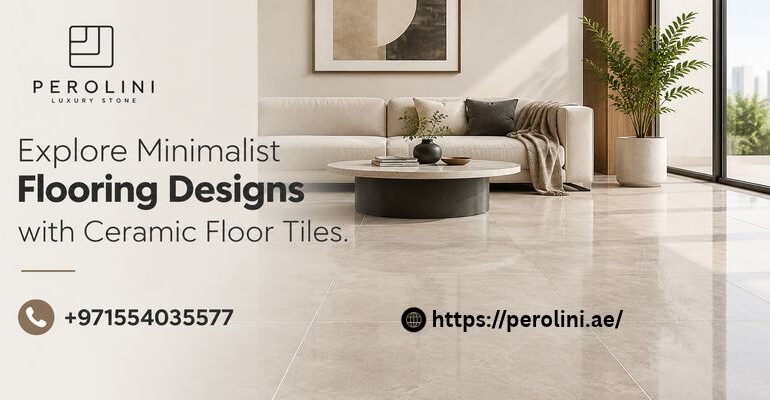
Have you ever walked into a room and felt that everything simply belonged? Often, the secret is not expensive furniture or elaborate decoration but a thoughtful foundation. Minimalist flooring creates that sense of balance by combining clean lines, subtle colours, and practical finishes, helping modern homes feel brighter, calmer, and effortlessly welcoming.
Why Minimalist Flooring Works So Well?
Minimalism is not about making a home look empty. It is about choosing fewer elements and giving each one a purpose. Flooring plays a surprisingly important role in this approach because it covers a large visual area and influences how the rest of the interior comes together.
Imagine a living room with neutral walls, a comfortable sofa, natural lighting, and a floor with a gentle stone finish. Nothing demands too much attention, yet the entire space feels considered. Ceramic flooring can support this effect through consistent colours, restrained patterns, and finishes that suit different interior styles.
Another advantage is versatility. Minimalist floors can work beautifully in apartments, family homes, offices, and open-plan interiors. Rather than following a short-lived decorating trend, a carefully selected design can remain appealing as furniture and accessories change over time.
Choose Colours That Create a Calm Atmosphere
Colour is often the starting point for minimalist flooring. While bright white floors can create a crisp appearance, warmer shades may feel more inviting, especially in homes where people gather throughout the day. The best choice depends on natural light, wall colours, furniture, and the atmosphere you want to create.
Consider these popular options when planning your flooring design:
- Warm beige: Adds softness to living rooms and works well with wooden furniture, cream upholstery, and natural fabrics.
- Light grey: Creates a contemporary foundation that pairs easily with black accents, white walls, and modern furnishings.
- Soft white: Helps reflect available light and gives compact interiors a clean, open appearance.
- Earthy taupe: Introduces subtle warmth without overwhelming a restrained colour palette.
A useful design tip is to compare tile samples in the actual room before making a decision. A shade that looks perfect under showroom lighting may appear noticeably different in morning sunlight or beneath warm indoor lamps.
Explore Tile Sizes, Textures, and Layouts
Minimalist interiors benefit from visual continuity, but that does not mean every floor must look identical. Tile dimensions, grout colour, surface texture, and installation patterns can change the overall impression without introducing unnecessary decoration.
Use Larger Tiles for a Seamless Look
Larger-format tiles can create a more continuous appearance because they generally require fewer grout joints across the same floor area. This can be particularly useful in open-plan living rooms, where visual interruptions may make the space feel busier than intended. However, the tile size should suit the room dimensions, and the installer must prepare the surface properly.
Keep Patterns Subtle
Stone-inspired ceramic finishes and delicate natural variations offer character without making the floor the centre of attention. Matte and low-sheen finishes can also create a restrained aesthetic, although the best surface depends on the room’s practical needs and cleaning requirements.
For a balanced result, keep these three principles in mind:
- Choose a grout shade that complements the tile instead of creating unnecessary contrast.
- Use consistent flooring across connected spaces when the layout and installation conditions allow it.
- Coordinate tile undertones with cabinetry, wall paint, and furniture before finalising the design.
Balance Modern Style with Everyday Practicality
A beautiful floor should make everyday life easier, not create another household chore. Ceramic tiles are commonly selected for their hard surface and straightforward cleaning routine. Regular sweeping and damp mopping can help remove everyday dust and dirt, while prompt attention to spills helps maintain the floor’s appearance.
Still, practical details deserve attention before installation. Some tile surfaces can become slippery when wet, and grout lines may require additional cleaning. Check the manufacturer’s recommendations for the intended room, particularly for bathrooms, kitchens, entrances, and other areas exposed to moisture.
If you are comparing finishes and styles locally, a visit to a Ceramic Tiles Shop In Ajman can help you assess colour variations, surface textures, and available sizes. Seeing physical samples is often more useful than relying on photographs alone.
For more ideas on practical surfaces, explore The Ultimate Guide to Low-Maintenance Flooring Ideas for Modern Homes. It can help you think beyond appearance and consider how your flooring will perform as part of your daily routine.
Make Small Rooms Feel More Open
In a compact apartment, flooring choices can influence how spacious the interior feels. Light-coloured tiles, coordinated grout, and a consistent layout may help reduce visual clutter. Pair these choices with simple furniture, uncluttered walkways, and good lighting for a more open impression.
Before choosing a tile, consider the following practical checks:
- Measure the room accurately and discuss suitable tile dimensions with your installer.
- Request samples to compare against your wall paint and existing furniture.
- Check slip resistance and maintenance requirements for the intended application.
- Confirm the quantity needed, allowing for cutting, breakage, and future replacements.
It is also worth considering how flooring connects adjoining rooms. When colours and finishes work together, even separate spaces can feel like part of one thoughtful design.
Frequently Asked Questions
1. Which ceramic tile colours are best for minimalist interiors?
Beige, soft white, light grey, and muted taupe are popular choices. Select a shade that complements the room’s lighting, wall colours, and furniture rather than choosing a colour based on trends alone.
2. Are ceramic floor tiles suitable for small apartments?
Yes. Light-coloured tiles, suitable tile dimensions, and coordinated grout can help small rooms appear more open. Proper lighting and a consistent layout can further support the effect.
3. Are matte ceramic tiles better than glossy tiles?
Neither finish is universally better. Matte tiles offer a more understated appearance, while glossy tiles reflect more light. Compare cleaning requirements and slip resistance before selecting a finish, especially for wet areas.
4. How can I maintain ceramic flooring with minimal effort?
Sweep or vacuum regularly, clean with a suitable mild cleaning solution, and wipe up spills promptly. Follow the manufacturer’s guidance and maintain grout lines as recommended to keep the floor looking its best.
Final Thoughts
Minimalist flooring succeeds when every detail feels intentional. The right ceramic tiles can create a calm foundation, complement your furniture, and support the practical demands of everyday living. Focus on balanced colours, suitable textures, and a layout that fits your space. Sometimes, the most memorable interiors are not the ones that add more, but the ones that choose wisely.
Listen Here: Click Now