Search is changing faster than many businesses expected. Instead of simply matching keywords, large language models (LLMs) now interpret context, intent, and credibility before presenting answers. For global brands, this shift is more than a technical update—it is a strategic opportunity. Companies that prepare today will be better positioned to earn visibility, authority, and trust in AI-powered search experiences.
Many organizations already partner with Digital Marketing Firms in Kolkata to strengthen their online presence. However, LLM SEO requires a broader mindset. It focuses on building trustworthy information ecosystems rather than chasing isolated keyword rankings. Alongside traditional SEO, brands should also prioritize AI search optimization, entity SEO, and semantic search strategies to remain competitive in 2026.
Why LLM SEO Will Define Brand Visibility
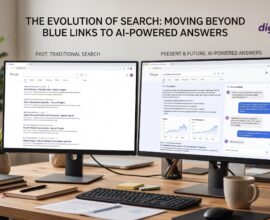
Unlike traditional search engines that primarily rank webpages, LLM-powered systems analyze multiple trusted sources, recognize entities, and generate comprehensive responses. This means your website is only one part of your digital identity. Press mentions, knowledge panels, customer reviews, structured data, documentation, and authoritative content all contribute to how AI understands your business.
According to Google Search documentation, structured content and clear site organization improve how search systems interpret webpages. Likewise, OpenAI and Microsoft continue investing heavily in AI-assisted search experiences, making trustworthy content increasingly valuable.
Key Changes Global Brands Should Expect
- Context beats keywords: AI understands relationships between concepts instead of matching exact phrases.
- Authority becomes measurable: Consistent information across trusted platforms strengthens machine confidence.
- User intent matters more: Helpful, complete answers outperform pages written only for rankings.
Build an AI-Ready Content Architecture
Think of your website as a digital knowledge center rather than a collection of blog posts. Every article should connect naturally with service pages, case studies, FAQs, research, and supporting resources. This interconnected structure helps language models understand your expertise more effectively.
Content should answer real customer questions while maintaining consistency across every channel. Midway through this process, working alongside an experienced SEO Expert in Kolkata can help businesses identify technical improvements, entity gaps, and semantic opportunities that traditional SEO audits often overlook.
Practical Steps for 2026
- Create topic clusters instead of isolated blogs.
- Maintain consistent brand information across all digital properties.
- Implement structured data wherever applicable.
- Regularly update evergreen content with fresh statistics and examples.
- Strengthen author expertise through detailed bios and citations.
Trust Signals Will Influence AI Recommendations
LLMs evaluate confidence differently than traditional algorithms. They compare information across multiple trusted sources before generating answers. Inconsistent business details, outdated content, or conflicting claims may reduce confidence in your brand.
Research from Google’s Search Central documentation emphasizes creating people-first content that demonstrates experience, expertise, authoritativeness, and trustworthiness (E-E-A-T). Similarly, industry observations from Microsoft Bing highlight the growing importance of reliable, structured information in AI-assisted search.
Brands working with a specialized generative AI seo agency often focus on improving machine readability without sacrificing human experience. The goal is not to write for AI alone but to make valuable content easier for intelligent systems to understand.
Measure Beyond Traditional Rankings
Page-one rankings will remain useful, but they will no longer tell the complete story. Global businesses should expand their reporting to include AI visibility metrics and brand authority indicators.
- Brand mentions across authoritative websites.
- Citation consistency and entity recognition.
- AI-generated answer visibility.
- Knowledge graph presence.
- User engagement and content quality signals.
According to Google’s Search documentation, focusing on long-term value rather than algorithm manipulation creates more sustainable search performance. That philosophy aligns naturally with LLM SEO.
Also Read: Clarity-Driven SEO for Large Brands: A Practical Guide
FAQ
Q. What is LLM SEO?
A. LLM SEO focuses on optimizing content so large language models can understand, trust, and reference your brand accurately in AI-generated search experiences.
Q. How is LLM SEO different from traditional SEO?
A. Traditional SEO emphasizes webpage rankings, while LLM SEO prioritizes semantic understanding, entity relationships, credibility, and comprehensive content.
Q. Why should global brands prepare now?
A. AI-powered search continues to expand rapidly. Early adoption helps brands establish stronger authority before competition becomes significantly more intense.
Q. What are the most important ranking factors for LLM SEO?
A. High-quality content, structured data, consistent brand information, topical authority, trustworthy citations, and strong user experience are among the most important factors.
Final Thoughts
Preparing for LLM SEO in 2026 is less about replacing traditional optimization and more about expanding it. Global brands that invest in trustworthy content, semantic relevance, structured information, and consistent digital authority will be better equipped for the next generation of AI-driven search. The organizations that prioritize clarity, expertise, and user value today will be the ones AI systems confidently recommend tomorrow.
Blog Development Credits:
Originally conceptualized by Amlan Maiti, this blog was crafted using modern AI tools like ChatGPT, Gemini, and Copilot, and later polished with strategic insights from the SEO team at Digital Piloto Private Limited.