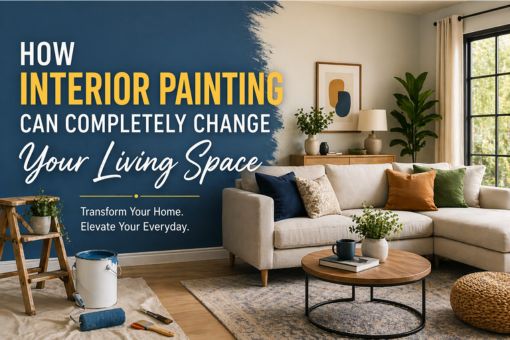
Have you ever stepped into a room and felt something was… off, even if everything looked “fine”? Sometimes, it’s not the furniture or layout—it’s the walls quietly influencing the mood. A simple change in color can shift how a space feels, making it brighter, calmer, or more inviting without major renovations.
That’s exactly where Interior Painting comes in. It’s one of those rare home improvements that delivers instant visual impact without tearing down walls or draining your savings. With the right approach, it can completely redefine your living space.
The Subtle Psychology Behind Wall Colors
Color isn’t just decorative—it’s deeply psychological. Soft blues tend to calm the mind, while warm tones like beige or terracotta create a sense of comfort. According to research published by the National Institutes of Health (NIH), environmental colors can influence mood, stress levels, and even productivity.
Think about it: a dark, dull room can feel smaller and heavier, while a well-painted space instantly opens up. This isn’t magic—it’s perception. And perception is everything when it comes to interior design.
Also Read: How to Paint a Feature Wall with Patterns or Stripes
How Interior Painting Transforms Your Space
1. Creates the Illusion of Space
Light, neutral shades reflect more light, making rooms appear larger and more open. This is especially useful in compact apartments or older homes with limited natural light.
2. Enhances Natural Lighting
Strategic color choices can amplify sunlight. Whites, creams, and soft pastels bounce light across the room, reducing the need for artificial lighting during the day.
3. Defines Room Purpose
Different rooms serve different functions, and paint helps reinforce that. For example, calming tones in bedrooms promote relaxation, while energizing shades in kitchens or workspaces boost activity.
- Living Room: Warm neutrals for comfort and socializing
- Bedroom: Cool tones for relaxation
- Home Office: Muted greens or blues for focus
Interior Painting vs Other Home Upgrades
Let’s be honest—home improvements can get expensive fast. Renovations, furniture upgrades, or structural changes often require significant investment. But painting? It’s relatively affordable and delivers immediate results.
In fact, when comparing expenses like Exterior Home Painting Cost, interior projects often come out as more budget-friendly while still offering a strong return on investment. You’re essentially refreshing your home’s personality without overspending.
Choosing the Right Color Palette
Picking colors isn’t just about trends—it’s about how you want to feel in your space. While bold shades can make a statement, timeless palettes tend to age better.
Expert Tips for Color Selection
- Test Before You Commit: Paint small patches and observe them under different lighting conditions.
- Consider Furniture & Décor: Your walls should complement—not clash with—existing elements.
- Stick to a Cohesive Theme: Flow between rooms matters more than individual color choices.
Professional painters often recommend starting with a neutral base and adding personality through accents. This approach gives you flexibility to update your décor later without repainting everything.
Common Mistakes to Avoid
Even though painting seems straightforward, small mistakes can impact the final result.
- Skipping Surface Preparation: Uneven walls can ruin the finish
- Choosing the Wrong Finish: Matte, satin, and gloss all behave differently
- Ignoring Lighting: Colors look different in natural vs artificial light
A well-executed paint job isn’t just about color—it’s about technique, preparation, and attention to detail.
The Real Value: More Than Just Looks
Interior painting doesn’t just improve aesthetics—it adds value. A freshly painted home often feels newer, cleaner, and more appealing to potential buyers. According to insights from the National Association of Realtors, simple upgrades like painting can significantly influence buyer perception and decision-making.
It’s a subtle upgrade, but one that speaks volumes.
FAQs
Q1. How often should I repaint my home interiors?
Most homes benefit from repainting every 5–7 years, depending on wear, lifestyle, and exposure to sunlight.
Q2. Can interior painting really increase property value?
Yes, a fresh coat of paint improves visual appeal and can make your home more attractive to buyers.
Q3. What is the best color for small rooms?
Light shades like white, beige, or soft grey help create an illusion of space and openness.
Q4. Should I hire professionals or DIY?
While DIY can save money, professional painters ensure a smoother finish, better durability, and fewer mistakes.
Final Thoughts
At its core, interior painting is less about walls and more about experience. It shapes how you feel when you walk into your home each day. Whether you’re aiming for calm, energy, or elegance, the right colors can quietly transform your space in ways you might not expect—until you see it for yourself.
Also Read: Residential Painting Trends That Are Taking Over Homes
Blog Development Credits:
This blog was envisioned by Soumyajit Sardar, created with research support from advanced AI platforms like ChatGPT, Gemini, and Copilot. Final editing and SEO expertise were provided by Mister Paint.