In industrial piping, failure is rarely dramatic it’s silent, gradual, and expensive. That’s why quality standards matter so much in components like hinged bellows. Behind every reliable expansion joint is a careful blend of design discipline, material science, and testing rigor that separates dependable manufacturers from the rest.
When evaluating a hinged bellows manufacturer in India, engineers aren’t just buying a product. They’re buying confidence that the joint will perform under pressure,
temperature swings, and years of continuous operation.
Why Quality Standards Matter in Hinged Bellows?
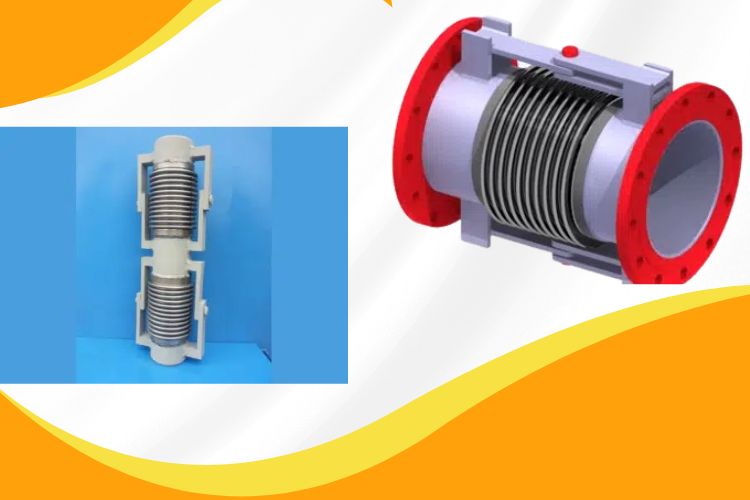
Hinged bellows are designed to absorb angular movement while restraining pressure thrust. If even one parameter is off material thickness, hinge alignment, weld integrity the entire piping system can be compromised. Quality standards exist to prevent exactly that.
According to the American Society of Mechanical Engineers, expansion joints must be designed with precise load and movement calculations to avoid premature fatigue (asme.org). Manufacturers who follow recognized standards reduce risk not only for plants, but for people working around them.
Key Design and Engineering Standards
1. Compliance with EJMA Guidelines
Most reputable manufacturers design hinged bellows in line with Expansion Joint Manufacturers Association (EJMA) guidelines. These standards define how bellows are sized, how movement is calculated, and how pressure loads are controlled using hinges and pins.
- Accurate calculation of angular rotation limits
- Defined fatigue life based on cycle expectations
- Controlled pressure thrust through hinge assemblies
While EJMA isn’t a regulatory body, its guidelines are widely accepted across oil & gas, power, and petrochemical industries.
2. Material Selection Standards
Quality begins with raw materials. Stainless steels like SS304, SS316, and higher alloys are selected based on
corrosion resistance, temperature tolerance, and pressure rating. Manufacturers adhering to ASTM material standards ensure consistency and traceability (astm.org).
Manufacturing and Fabrication Controls
Even the best design can fail without controlled fabrication. Quality-focused manufacturers invest heavily in process discipline especially during forming and welding.
Welding Procedures and Qualifications
Bellows welding is not cosmetic; it’s structural. Qualified welding procedures (WPS) and certified welders are critical. Poor welds often become fatigue hotspots under cyclic movement.
- Use of qualified welding procedures
- Welder certification and periodic re-qualification
- Controlled heat input to prevent material weakening
This is particularly important for any hinged expansion joint manufacturer supplying to high-pressure or high-temperature applications.
Inspection, Testing, and Validation
Quality standards don’t stop at fabrication—they extend into inspection and testing. Reliable manufacturers follow structured inspection plans before products ever leave the shop floor.
1. Non-Destructive Testing (NDT)
Common NDT methods include dye penetrant testing, radiography, and visual inspection. These tests help identify cracks, porosity, or misalignment without damaging the component.
The U.S. Nuclear Regulatory Commission highlights NDT as a critical safety tool in pressure-containing components (nrc.gov).
2. Pressure and Functional Testing
Hydrostatic or pneumatic pressure tests validate that the bellows can safely withstand operating conditions. Some manufacturers also perform movement simulations to confirm hinge functionality.
Documentation and Traceability
One often-overlooked quality marker is documentation. Serious manufacturers provide detailed records that follow the product throughout its lifecycle.
- Material test certificates
- Welding and inspection reports
- Design calculations and drawings
This transparency is essential for audits and long-term maintenance planning, especially in regulated industries. It also ties closely to the broader role of bellows, as explained in Why Bellows Are Essential in Piping Systems.
Quality Management Systems
Beyond product-level checks, many manufacturers operate under ISO 9001 quality management systems. While certification alone doesn’t guarantee excellence, it does indicate structured processes, continuous improvement, and accountability.
In practice, this means fewer surprises during installation and operation something plant engineers value deeply.
FAQs
1. What standards are commonly followed for hinged bellows?
Most manufacturers follow EJMA guidelines, ASTM material standards, and ISO-based quality management systems.
2. Why is testing important for hinged bellows?
Testing ensures the bellows can safely handle pressure, movement, and fatigue over its expected service life.
3. Are all hinged bellows manufacturers the same?
No. Quality varies widely based on design expertise, fabrication control, and inspection practices.
4. What documents should a quality manufacturer provide?
Material certificates, welding records, inspection reports, and design calculations are standard.
Final Thoughts
Quality standards are not paperwork they’re protection. For hinged bellows, they ensure predictable performance in unpredictable environments. Choosing a manufacturer that respects these standards is less about compliance and more about long-term reliability.