Search isn’t what it used to be. Indian startups are no longer just competing for blue links—they’re competing for answers generated by AI. The question is simple: how do you stay visible when search engines think before users click? That’s where a structured CRSEO roadmap becomes less of an option and more of a survival toolkit.
Many founders I speak to are still optimizing like it’s 2018. But today, aligning with an SEO Agency in Hyderabad or any AI-first strategist isn’t about rankings alone—it’s about becoming the source AI trusts. And that shift changes everything.
What is CRSEO and Why It Matters Now
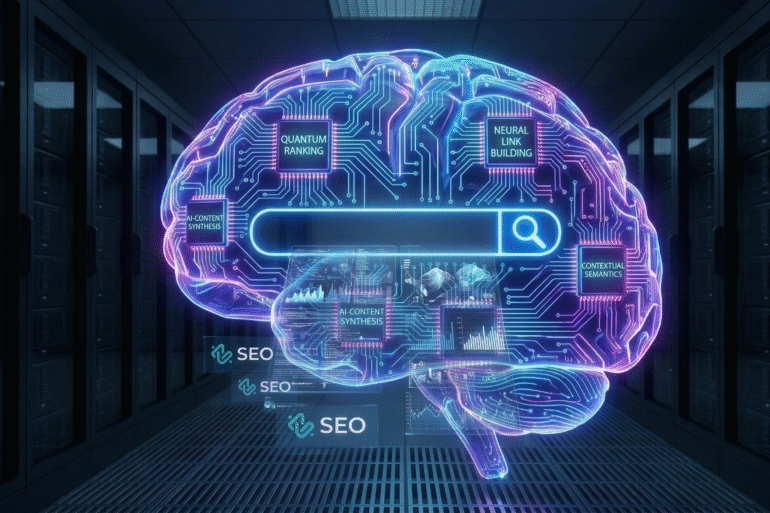
CRSEO (Cognitive Retrieval SEO) is essentially about optimizing your digital presence for AI-driven discovery systems. Instead of just targeting keywords, you’re structuring content so large language models can understand, extract, and present your information accurately.
According to a recent study by Pew Research, nearly 65% of users now rely on summarized answers rather than clicking multiple search results. That’s a massive behavioral shift—and startups that adapt early gain a disproportionate advantage.
Phase 1: Build an AI-Readable Foundation
Structure Over Style
Your content must be machine-friendly before it becomes human-friendly. That means:
- Clear heading hierarchies (H1 → H2 → H3)
- Concise paragraphs with direct answers
- Schema markup for context clarity
Think of it like teaching a smart intern—if your explanation is messy, they’ll misunderstand. AI behaves similarly.
Entity-Based Optimization
Modern search engines focus on entities, not just keywords. Instead of repeating phrases like “digital marketing services,” connect your brand to topics, industries, and problems it solves.
Phase 2: Content That Feeds AI Engines
Here’s where most startups stumble—they produce content, but not intelligence. AI systems prefer content that answers questions clearly and completely.
Content Formats That Work Best
- Explainer guides: Deep dives into specific problems
- Comparison content: Tools, services, or strategies
- FAQ clusters: Direct, structured answers
A smart move? Build content hubs around your niche. For example, a fintech startup could cluster around “digital payments India,” “UPI security,” and “small business finance tools.”
Phase 3: Authority Signals in AI Ecosystems
AI doesn’t just read your website—it cross-checks you across the web. That’s where authority becomes crucial.
Collaborating with a trusted SEO Company in India can help you build these signals systematically.
Key Authority Builders
- Digital PR: Mentions in credible publications
- Expert authorship: Recognized voices behind content
- Consistent brand signals: Same messaging across platforms
Google’s own documentation (see developers.google.com) emphasizes helpful, people-first content. AI models follow similar patterns when selecting sources.
Phase 4: Technical SEO Meets AI Readiness
This is where traditional SEO still matters—but with a twist. Speed, crawlability, and indexing are now just the baseline.
Must-Have Technical Elements
- Fast-loading pages (Core Web Vitals optimized)
- Structured data (FAQ, Article, Product schemas)
- Clean internal linking architecture
Add to that semantic HTML and consistent metadata, and you’re essentially giving AI a roadmap to navigate your content.
Phase 5: Continuous Learning & Adaptation
CRSEO isn’t a one-time strategy. It evolves—fast. AI models update, user behavior shifts, and new platforms emerge.
Startups that win are the ones that:
- Monitor AI-driven traffic patterns
- Update content based on query trends
- Experiment with new formats like conversational content
In a way, CRSEO feels less like optimization and more like ongoing training—for both your team and the algorithms.
Frequently Asked Questions
What is CRSEO in simple terms?
CRSEO focuses on optimizing content for AI systems so they can understand, retrieve, and present your
information accurately in search results.
How is AI search different from traditional SEO?
Traditional SEO focuses on rankings, while AI search focuses on direct answers. Visibility now depends on being selected as a trusted source.
Do startups need technical SEO for AI search?
Absolutely. Technical SEO ensures your content is accessible, fast, and structured—making it easier for AI systems to process and rank.
How long does it take to see results with CRSEO?
Typically, 3–6 months for noticeable impact, depending on competition, content quality, and authority signals.
Final Thoughts
The AI search era isn’t coming—it’s already here. For Indian startups, this is actually good news. It levels the playing field, rewarding clarity, expertise, and structure over sheer size. If you can teach AI to trust you, visibility follows naturally. And in this landscape, trust is the new ranking factor.
Blog Development Credits:
This blog was thoughtfully shaped by Amlan Maiti, refined using AI platforms like ChatGPT, Gemini, and Copilot, and polished with SEO insights from Digital Piloto.