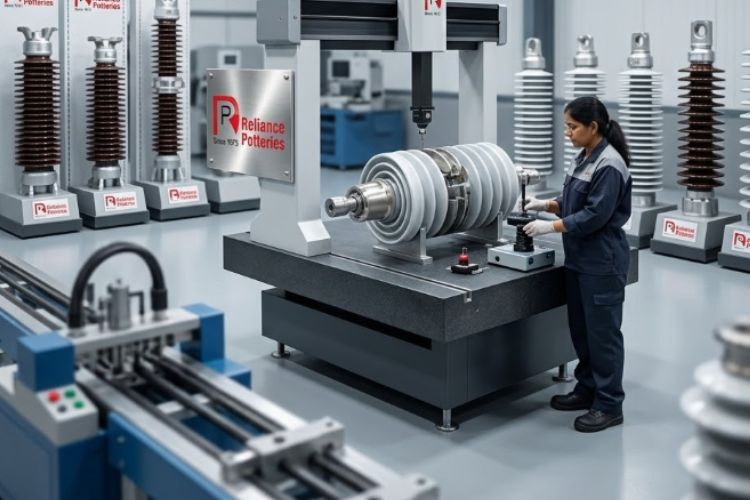
In the complex world of power transmission, even small components can have enormous consequences. Anti-sway insulators, for instance, quietly stabilize conductors and protect electrical systems from unwanted movement. But how do manufacturers ensure these critical components meet strict safety and performance expectations? Understanding the manufacturing standards in India reveals just how precise and regulated this industry truly is.
Today, many Electrical Insulator Manufacturers in India follow detailed guidelines to guarantee durability, electrical safety, and environmental resistance. These standards help ensure that power infrastructure—from industrial plants to transmission networks—operates smoothly without unexpected failures.
Also Read: How Insulators Enhance Safety in Electrified Railway Networks
Why Anti-Sway Insulators Matter in Power Systems
At first glance, anti-sway insulators may seem like minor hardware pieces, but they play a surprisingly important role. Their job is simple in theory: limit unwanted conductor movement caused by wind, mechanical stress, or operational vibration.
Without proper stabilization, electrical conductors can swing excessively. Over time, that movement can lead to structural stress, mechanical wear, or even electrical faults. According to research shared by the International Energy Agency, reliability in transmission infrastructure significantly reduces power outages and maintenance costs.
Anti-sway insulators contribute directly to this reliability, particularly in industrial facilities, substations, and high-voltage environments where stability is critical.
Key Manufacturing Standards Followed in India
India’s insulator manufacturing sector operates under multiple national and international quality standards. These frameworks ensure consistency, performance reliability, and safety compliance.
1. BIS and IS Specifications
The Bureau of Indian Standards (BIS) provides guidelines that many manufacturers follow when producing electrical insulators. These standards define testing procedures, material specifications, and mechanical strength requirements.
- Mechanical load testing for structural durability
- Electrical resistance verification
- Thermal and environmental stress testing
Such testing ensures insulators remain reliable even under extreme weather or operational pressure.
2. Material Quality and High-Alumina Ceramics
Another critical factor in anti-sway insulator manufacturing is the choice of raw materials. High-alumina ceramic compositions are commonly used because they provide excellent electrical insulation and mechanical strength.
Manufacturers carefully monitor the purity of alumina and firing temperatures during production. Even small variations in these parameters can affect the final performance of the insulator.
3. International Testing Benchmarks
Many Indian manufacturers also align their production processes with international testing frameworks used across global power industries. These include:
- High-voltage insulation resistance testing
- Mechanical impact and bending tests
- Environmental exposure simulations
These procedures ensure insulators perform consistently under real-world conditions.
Industrial Applications of Anti-Sway Insulators
Anti-sway insulators are widely used across several industries that depend on stable electrical infrastructure. Their ability to reduce conductor oscillation makes them particularly valuable in high-load environments.
- Power plants: Supporting electrical conductors in high-temperature industrial zones
- Transmission networks: Stabilizing overhead conductor systems
- Electrostatic precipitators: Supporting insulated electrical components
In these applications, a reliable Anti Sway Insulator Manufacturer in India plays a crucial role in ensuring operational stability.
Integration with Other Insulator Technologies
Modern industrial systems rarely rely on a single type of insulator. Instead, engineers design comprehensive insulation systems using multiple components tailored to specific applications.
For example, electrostatic precipitators—commonly used in pollution control systems—often require specialized insulation components. In such setups, a reliable FRP Shaft Insulators Manufacturer may supply complementary products that work alongside anti-sway insulators.
This combination ensures both electrical isolation and mechanical stability, improving overall system efficiency.
Best Practices Used by Leading Manufacturers
Experienced insulator manufacturers typically follow several best practices to maintain product quality and performance.
- Precision manufacturing: Controlled firing and shaping processes ensure structural consistency.
- Comprehensive quality checks: Multiple testing stages verify mechanical strength and electrical resistance.
- Material traceability: High-quality ceramic materials are carefully tracked throughout production.
These practices help ensure insulators remain dependable even in demanding industrial environments.
FAQs About Anti-Sway Insulator Manufacturing
1. What is an anti-sway insulator?
An anti-sway insulator is a specialized electrical component designed to stabilize conductors and prevent excessive movement caused by wind, vibration, or mechanical stress.
2. Which materials are commonly used for anti-sway insulators?
Most anti-sway insulators are made using high-alumina ceramic materials due to their excellent insulation properties, durability, and resistance to heat and environmental stress.
3. Are anti-sway insulators tested before installation?
Yes. Manufacturers conduct mechanical load tests, electrical resistance tests, and environmental stress simulations to ensure the insulators meet safety and performance standards.
4. Where are anti-sway insulators typically used?
They are commonly used in power transmission systems, substations, industrial plants, and electrostatic precipitators where conductor stability is essential.
Also Read: Applications of FRP Shaft Insulators in Electrical
Final Thoughts
Behind every reliable power system lies a network of carefully engineered components. Anti-sway insulators may not always receive attention, yet they quietly maintain stability and safety across electrical infrastructure. By following strict manufacturing standards and quality testing practices, Indian manufacturers continue to strengthen the reliability of modern power systems.
Blog Development Credits:
This article was envisioned and guided by Reliance Potteries. Research and drafting were assisted by AI platforms including ChatGPT, Gemini, and Copilot, with final SEO refinement completed by Reliance Potteries.