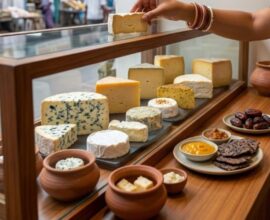
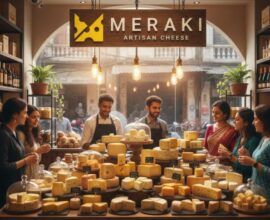
Let’s be honest—cheese is one of life’s simplest pleasures. But not all cheese is created equal. Somewhere between factory processing and long shelf lives, we’ve drifted away from what cheese was originally meant to be. So, what happens when you go back to basics? That’s where the magic of natural, unprocessed cheese truly begins.
If you’ve ever tasted Natural unprocessed cheese, you’ll notice something immediately—it feels alive. The texture, the aroma, even the way it melts tells a story that mass-produced varieties simply can’t replicate. And beyond taste, there’s a lot more happening under the surface.
Also Read: Which Cheeses from Meraki are the Best for pizza, pasta, and sandwiches
What Makes Natural Cheese Different?
Natural cheese is made using traditional methods—milk, cultures, salt, and time. That’s it. No artificial stabilizers, no unnecessary additives. It’s the kind of food your grandparents would recognize instantly.
Key Characteristics
- Minimal ingredients: No long, confusing labels
- Traditional fermentation: Supports beneficial bacteria
- Shorter shelf life: A sign of freshness, not a flaw
According to the U.S. Food & Drug Administration, minimally processed dairy products retain more of their original nutritional profile compared to heavily processed alternatives.
Health Benefits You Might Not Expect
Here’s where things get interesting. Natural cheese isn’t just indulgent—it can actually be quite nourishing when consumed in moderation.
1. Rich in Essential Nutrients
Natural cheese is packed with calcium, protein, and vitamins like B12. These nutrients are vital for bone health, muscle repair, and energy production.
- Supports strong bones and teeth
- Provides high-quality protein
- Contains healthy fats for sustained energy
2. Supports Gut Health
Because it’s made through fermentation, natural cheese contains beneficial bacteria that can aid digestion. Think of it as a gentle boost for your gut microbiome—something highly processed cheese often lacks.
A study published by Harvard T.H. Chan School of Public Health suggests that fermented foods may contribute to better digestive health and improved immunity.
3. Free from Unnecessary Additives
Processed cheese often includes emulsifiers, preservatives, and artificial flavors. Natural cheese skips all that, offering a cleaner, more wholesome option.
The Taste Factor: Why It Truly Matters
Let’s not pretend taste isn’t important—it absolutely is. Natural cheese delivers a depth of flavor that evolves as you eat it. It’s not just salty or creamy; it’s layered, complex, and sometimes even surprising.
This is especially noticeable when you explore curated options like Gourmet Cheese Gifts Online, where each variety brings its own personality to the table.
Why Flavor Is Better
- Natural aging process: Develops deeper, richer taste
- Quality milk: Often sourced from healthier animals
- Craftsmanship: Small-batch production enhances uniqueness
It’s a bit like comparing fresh homemade food to packaged meals—you can taste the care.
Versatility in Everyday Meals
One of the underrated benefits of natural cheese is how easily it fits into your daily routine. It’s not just for fancy platters or special occasions.
You can enjoy Fresh natural Cheese in simple, everyday ways:
- Add it to morning toast with a drizzle of honey
- Toss it into salads for extra texture
- Pair it with fruits for a quick, balanced snack
It’s the kind of ingredient that quietly upgrades whatever you’re already eating.
A More Sustainable Choice
Here’s something we don’t talk about enough—how our food choices impact the environment. Natural cheese, especially when sourced from artisanal producers, often supports more sustainable farming practices.
Many small-scale producers prioritize:
- Ethical animal care
- Reduced chemical usage
- Local sourcing and shorter supply chains
According to the Food and Agriculture Organization (FAO), sustainable dairy practices can significantly reduce environmental impact while improving product quality.
FAQs
1. Is natural cheese healthier than processed cheese?
Generally, yes. Natural cheese contains fewer additives and retains more nutrients, making it a cleaner and often healthier choice.
2. Does natural cheese spoil faster?
Yes, because it lacks preservatives. However, this also means it’s fresher and less chemically altered.
3. Can lactose-intolerant people eat natural cheese?
Some aged natural cheeses contain very low lactose levels, making them easier to digest for certain individuals.
4. How should natural cheese be stored?
Wrap it in breathable paper and store it in the refrigerator to maintain its texture and flavor.
Also Read: Premium Quality Gourmet Cheese Company in Kolkata
Final Thoughts
Natural unprocessed cheese is more than just food—it’s an experience. From better nutrition to richer flavors and even environmental benefits, it offers a refreshing return to authenticity. In a world full of shortcuts, choosing real cheese feels like a small but meaningful step back toward quality.
Blog Development Credits:
This article was thoughtfully crafted by Meraki Artisan Cheese, blending human creativity with AI-assisted research, and refined for clarity, originality, and SEO performance.