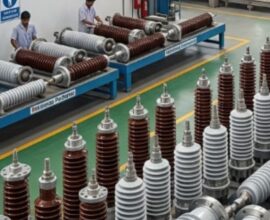
In industrial environments where air quality control is non-negotiable, every component in an Electrostatic Precipitator (ESP) matters more than it seems. One such often-overlooked element is the bushing. It quietly bridges high-voltage conductors across grounded walls—but its impact? Surprisingly significant.
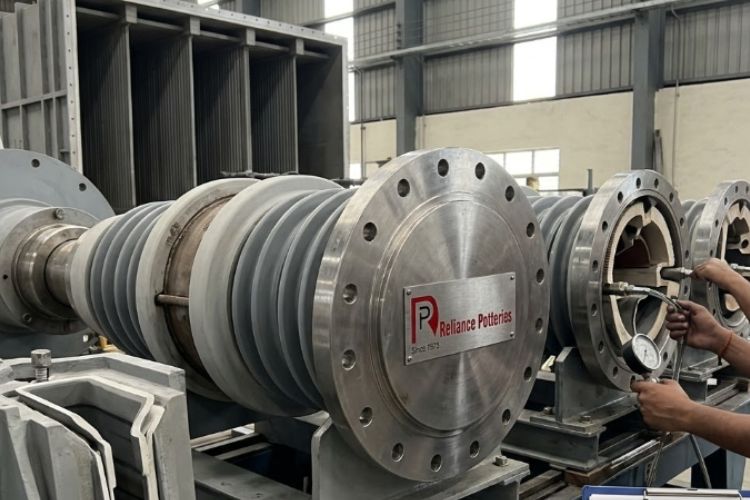
When it comes to reliability and performance, Wall Through Bushings for ESP play a crucial role. These specialized components ensure safe electrical insulation while maintaining structural integrity in demanding industrial conditions. Let’s unpack why they’re so indispensable.
Also Read: Pollution-Resistant Insulators for Urban and Industrial Zones
Understanding Wall Through Bushings in ESP
At its core, a wall through bushing is designed to allow a high-voltage conductor to pass safely through a grounded barrier, such as the ESP casing. It prevents electrical leakage and protects both equipment and personnel. Think of it like a well-insulated doorway—allowing passage without letting danger slip through.
Where They Fit in ESP Systems
- High-voltage transmission: Carries electrical energy into the ESP chamber.
- Insulation barrier: Separates energized parts from grounded steel structures.
- Environmental shield: Withstands heat, dust, and corrosive gases.
Key Benefits of Using Wall Through Bushings
1. Enhanced Electrical Safety
Safety is perhaps the most obvious benefit. Wall through bushings prevent electrical flashovers and short circuits by maintaining proper insulation. According to the OSHA Electrical Safety Guidelines, proper insulation systems significantly reduce workplace electrical hazards—something critical in high-voltage ESP operations.
2. Improved Equipment Longevity
Industrial ESP units operate under harsh conditions—extreme temperatures, dust accumulation, and chemical exposure. High-quality bushings act as protective barriers, reducing wear on internal components and extending system lifespan.
- Minimizes internal contamination
- Reduces maintenance frequency
- Prevents premature system failure
3. Consistent Performance in Tough Conditions
Consistency is key in emission control systems. Wall through bushings are designed to perform reliably even under fluctuating loads and environmental stress. This ensures uninterrupted operation—something industries like power plants and cement manufacturing simply can’t compromise on.
4. Better Energy Efficiency
Here’s something many overlook: inefficient insulation leads to energy losses. By maintaining proper electrical flow and reducing leakage, bushings contribute to improved energy efficiency. According to the U.S. Department of Energy, optimizing electrical systems can reduce industrial energy consumption by up to 15%.
Why Quality Manufacturing Matters
Not all bushings are created equal. The performance of an ESP system heavily depends on the quality of its components. This is where trusted Electrical Insulator Manufacturers in India come into play, offering precision-engineered solutions tailored for industrial demands.
What to Look for in a Reliable Bushing
- High dielectric strength: Ensures superior insulation performance.
- Thermal stability: Withstands high operating temperatures.
- Durability: Resists cracking, erosion, and environmental stress.
In real-world applications, choosing a low-quality bushing might save costs upfront—but it often leads to higher maintenance and unexpected downtime. And in industrial settings, downtime is expensive.
Real-World Applications and Impact
Let’s consider a thermal power plant. The ESP system operates continuously to filter particulate emissions. A failure in a single bushing can disrupt the entire process, leading to regulatory non-compliance and potential shutdowns. Reliable wall through bushings help avoid such scenarios by ensuring uninterrupted operation.
Industries that benefit the most include:
- Power generation plants
- Cement manufacturing units
- Steel and metal processing industries
FAQs
1. What is the primary function of a wall through bushing in an ESP?
It allows high-voltage conductors to safely pass through grounded walls while maintaining electrical insulation and preventing leakage.
2. How do wall through bushings improve ESP efficiency?
By reducing electrical losses and ensuring consistent voltage transmission, they help maintain optimal system performance.
3. Are wall through bushings suitable for harsh industrial environments?
Yes, high-quality bushings are designed to withstand extreme temperatures, dust, and corrosive gases commonly found in industrial settings.
4. How often should wall through bushings be inspected?
Routine inspections during scheduled maintenance cycles are recommended to detect wear, cracks, or insulation issues early.
Also Read: Top Insulator Suppliers in India for Power Projects
Final Thoughts
Wall through bushings might not be the most visible part of an ESP system, but they are undoubtedly among the most critical. From enhancing safety to improving efficiency and longevity, their role is foundational. Investing in quality bushings is not just a technical decision—it’s a strategic one.
Blog Development Credits
This article was thoughtfully developed by Reliance Potteries, combining expert insights with AI-assisted research tools, and refined with advanced SEO strategies for clarity and reach.