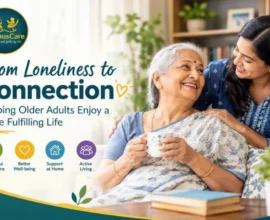
Quality of life isn’t just about health it’s about comfort, dignity, and the little joys that make each day meaningful. As people age, maintaining that balance can become challenging. That’s where senior home care steps in, offering support that feels less like assistance and more like empowerment within the familiar walls of home.
What Does “Quality of Life” Really Mean?
It’s easy to assume quality of life is tied only to physical health, but it’s far more layered than that. It includes emotional well-being, social connection, independence, and even a sense of purpose.
According to the World Health Organization (WHO), healthy aging is not just about the absence of disease—it’s about maintaining functional ability and well-being. In other words, how someone lives matters just as much as how long they live.
How Home Care Enhances Daily Comfort?
Sometimes, improving quality of life starts with the simplest changes. A little help with everyday tasks can lift a surprising amount of stress.
Making Everyday Living Easier
- Assistance with bathing, dressing, and grooming
- Nutritious meal preparation tailored to preferences
- Light housekeeping for a clean, safe environment
These aren’t just chores they’re essential to maintaining dignity and routine, two things that deeply influence emotional well-being.
Encouraging Independence, Not Replacing It
There’s a common misconception that receiving help means losing independence. In reality, the opposite is often true. With the right support, seniors can continue making their own decisions and living life on their terms.
- Caregivers assist only where needed
- Daily routines remain familiar and self-directed
- Seniors stay actively involved in their own care
The Emotional Impact of Companionship
Here’s something that doesn’t get talked about enough loneliness. It’s quiet, but powerful. Over time, it can affect both mental and physical health.
The CDC notes that social isolation in older adults is linked to increased risks of serious health conditions. This is where home care becomes more than just practical it becomes deeply human.
A caregiver isn’t just there to assist; they often become a companion. Whether it’s sharing stories, watching a favorite show, or simply being present, these moments add warmth to daily life.
Personalized Care Makes a Difference
One of the most meaningful aspects of a professional senior care service is personalization. Unlike institutional care, home care adapts to the individual not the other way around.
- Flexible schedules that match personal routines
- Care plans tailored to medical and emotional needs
- Adjustments as health conditions evolve
It’s a bit like having a care plan that grows alongside you, rather than forcing you to fit into a rigid system.
Safety and Peace of Mind
Quality of life also depends heavily on feeling safe. For seniors living alone, even small risks like slipping in the bathroom can become major concerns.
Simple Safety Improvements at Home
- Installing grab bars and non-slip mats
- Ensuring proper lighting in all areas
- Organizing spaces to reduce fall risks
These changes may seem minor, but they create an environment where seniors can move freely and confidently.
Supporting Health and Wellness
Home care also plays a vital role in maintaining overall health. From medication reminders to encouraging light physical activity, caregivers help seniors stay on track without feeling overwhelmed.
Over time, this consistent support contributes to better health outcomes and a more active lifestyle—both key elements of a fulfilling life.
FAQs About Senior Home Care
1. How does home care improve quality of life?
It provides personalized support, enhances safety, and offers companionship, helping seniors live comfortably and confidently at home.
2. Is home care only for seniors with medical conditions?
No, home care supports both medical and non-medical needs, including daily activities and emotional well-being.
3. Can home care reduce loneliness?
Yes, regular interaction with caregivers helps reduce isolation and improves mental health.
4. Is home care flexible?
Most services are highly flexible, allowing care plans to adapt to changing needs and preferences.
Final Thoughts
At its core, quality of life is about feeling valued, comfortable, and connected. Senior home care doesn’t just address physical needs it nurtures the whole person. By blending support with independence, it creates a lifestyle where seniors can truly thrive, not just get by. And sometimes, that makes all the difference.