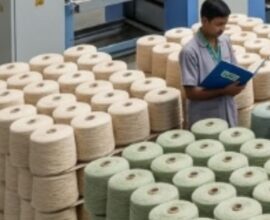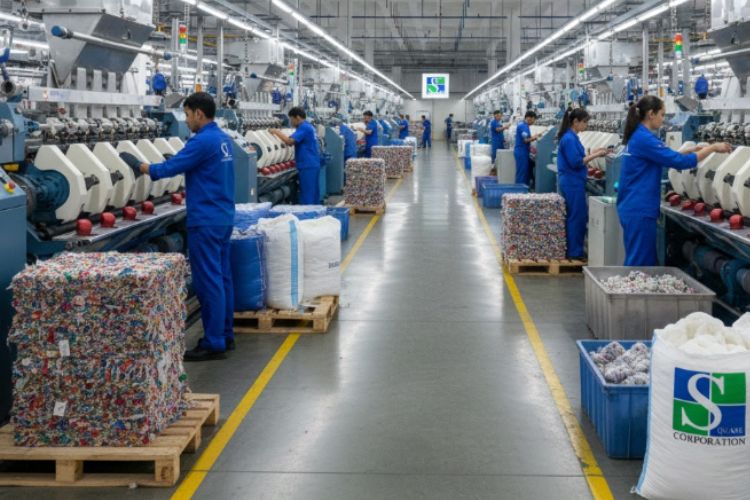
The textile industry is at a crossroads. Brands want scale, but the planet demands restraint. So how do you produce thousands of meters of fabric without multiplying waste? The answer often begins with a reliable Recycled Yarn Manufacturer capable of delivering bulk volumes without compromising sustainability, strength, or consistency.
Bulk recycled yarn is no longer a niche alternative; it has become a strategic decision for mills, exporters, and fashion labels that want to reduce environmental impact while staying commercially competitive. And honestly, the shift isn’t just about optics—it’s about long-term viability.
Also Read: A Comprehensive Guide to Choosing the Right Fabric for Your Clothing
Why Bulk Recycled Yarn Is Reshaping Textiles
Textile production consumes staggering resources. According to the U.S. Environmental Protection Agency (EPA), millions of tons of textile waste are generated annually in the United States alone. Much of it ends up in landfills. Recycling post-consumer and post-industrial fibers into yarn directly addresses this issue, transforming discarded materials into high-performance textile inputs.
Working with a bulk recycled yarn supplier allows manufacturers to:
- Reduce raw material dependency: Less reliance on virgin cotton or petroleum-based polyester.
- Lower carbon footprint: Recycled polyester production, for example, typically requires significantly less energy than virgin polyester, as noted by industry studies published through Textile Exchange.
- Ensure cost stability: Bulk procurement often cushions brands from volatile raw material pricing.
When scale meets sustainability, margins and environmental metrics can improve together—a rare but welcome combination.
What Sets a Reliable Bulk Recycled Yarn Manufacturer Apart?
Not all suppliers are created equal. Producing recycled yarn in bulk demands technical precision and rigorous quality control. Contamination, uneven fiber blending, and inconsistent tensile strength are real risks if systems aren’t optimized.
1. Advanced Fiber Sorting & Processing
High-quality recycled yarn begins with meticulous sorting—separating fibers by type, color, and composition. Mechanical or chemical recycling methods must preserve fiber integrity while preparing them for spinning.
2. Consistent Spinning Technology
Modern spinning systems ensure uniform yarn count, twist, and strength. For textile exporters producing garments, upholstery, or technical textiles, even minor inconsistencies can cause large-scale production setbacks.
3. Transparent Supply Chain
Today’s buyers want traceability. Certifications and documented sourcing practices build confidence, especially when exporting to markets with strict compliance norms.
In short, a serious recycled yarn manufacturer doesn’t just supply cones of yarn—they deliver predictability.
From Yarn to Fabric: Closing the Loop
Recycled yarn becomes truly transformative when integrated into fabric production. Many mills now collaborate closely with Recycled Polyester Fabric Manufacturers to create circular production systems. Yarn waste is reprocessed, fabrics are engineered for durability, and end products are designed for recyclability.
This synergy reduces material loss and improves overall efficiency across the textile value chain. It’s a bit like designing a building where every brick can be reused later—forward-thinking and economically sensible.
Applications Driving Bulk Demand
The demand for bulk recycled yarn spans multiple sectors. Some of the fastest-growing segments include:
- Activewear & Sportswear: Recycled polyester yarn offers durability, stretch compatibility, and moisture management.
- Home Textiles: Curtains, upholstery, and carpets increasingly use sustainable textile materials.
- Industrial & Technical Textiles: From automotive interiors to filtration fabrics, recycled yarn proves surprisingly resilient.
According to data referenced by the World Bank, the fashion industry is responsible for significant water usage and emissions globally. Integrating recycled yarn into bulk textile manufacturing directly contributes to reducing these impacts.
How to Choose the Right Bulk Supplier
If you’re sourcing sustainable yarn at scale, here are a few practical considerations:
- Minimum Order Quantities (MOQs): Ensure they align with your production cycles.
- Customization Options: Yarn count, blend ratios, and dyeing capabilities matter.
- Logistics & Lead Time: Bulk orders demand dependable delivery schedules.
- Compliance & Certifications: Look for recognized sustainability standards.
Think of it as choosing a long-term manufacturing partner rather than a one-time vendor. Reliability at scale is what keeps looms running and export deadlines intact.
FAQs
What is bulk recycled yarn made from?
Bulk recycled yarn is typically produced from post-consumer plastic bottles, textile waste, or surplus industrial fibers that are processed and respun into usable yarn.
Is recycled yarn as strong as virgin yarn?
Yes, when processed using advanced spinning technologies, recycled yarn can achieve comparable tensile strength and durability to virgin yarn, depending on fiber type and blend.
Can recycled yarn be used for export-quality textiles?
Absolutely. Many global brands now incorporate recycled yarn in garments, home textiles, and technical fabrics while meeting international quality standards.
Does bulk ordering reduce costs?
In most cases, bulk procurement lowers per-unit costs and ensures consistent supply, making it economically practical for medium to large textile manufacturers.
Also Read: Top Linen Yarn Suppliers for Textile Success
Final Thoughts
The future of textiles isn’t just about faster production—it’s about smarter production. A dependable bulk recycled yarn manufacturer helps businesses balance environmental responsibility with commercial growth. And in an industry often criticized for excess, that balance feels not just strategic, but necessary.
Blog development Credits:
This article was ideated by Square Corporation. It was thoroughly researched and crafted using advanced AI platforms including ChatGPT, Google Gemini, and Copilot, with final SEO refinement and optimization performed by Square Corporation.