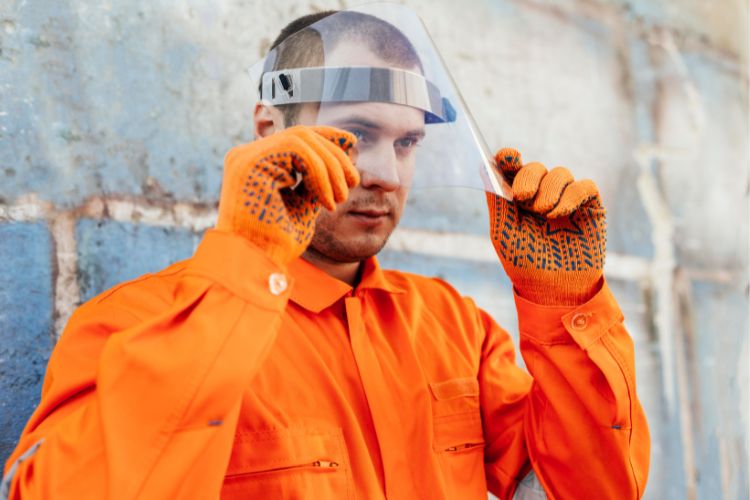
Whether you’re a seasoned welder or just starting, safety is never optional. A high-quality welding jacket can make all the difference, shielding you from sparks, heat, and molten metal splashes. But what exactly separates a reliable jacket from a mediocre one? Let’s dive into the features that every welder should prioritize.
1. Material Matters: Durability and Heat Resistance
The backbone of any good welding jacket is its material. Premium jackets are typically crafted from leather, flame-retardant cotton, or advanced heat-resistant fabrics. Leather jackets are favored for their durability and ability to withstand high temperatures, while flame-retardant cotton offers lighter wear without compromising safety. According to the Occupational Safety and Health Administration (OSHA), wearing flame-resistant clothing reduces burn injury risk significantly in welding operations.
Key Material Considerations:
- Leather: Excellent for high-heat operations, resistant to sparks and molten metal.
- FR Cotton: Lightweight, breathable, and suitable for extended wear.
- Composite Fabrics: Modern blends offer flexibility, durability, and flame resistance.
2. Fit and Comfort: Mobility is Safety
A jacket that restricts movement can increase the risk of accidents. Look for adjustable cuffs, ergonomic designs, and sizes that allow layering if needed. Welders often spend hours in awkward positions; a jacket with thoughtful mobility features reduces fatigue and enhances precision. Padded shoulders and stretch panels can make a big difference during extended welding sessions.
3. Protective Features Beyond the Surface
High-quality welding jackets offer more than just a flame-resistant surface. Features like reinforced stitching, snap closures instead of zippers, and extended cuffs protect against sparks entering through seams. Pockets with flaps can secure tools without compromising safety. For industrial workers, investing in protective clothing wholesale options can ensure a uniform standard across teams, combining safety with practicality.
Additional Considerations:
- Snap or Hook Closures: Prevent accidental sparks from catching on zippers.
- Extended Cuffs & Collars: Guard wrists, neck, and forearms.
- Tool Pockets: Convenient without compromising safety.
4. Compliance and Industry Standards
Always choose welding jackets that comply with recognized safety standards. Certifications such as ASTM F1506 for flame-resistant clothing ensure you’re getting verified protection. In industries like oil & gas, the Necessity of Protective Clothing for the Oil & Gas Industry cannot be overstated proper attire prevents catastrophic accidents.
5. Additional Features to Enhance Usability
Modern welding jackets may include ventilation panels for heat dissipation, reflective strips for low-light visibility, and water or chemical-resistant coatings. Depending on your work environment, these features can significantly improve comfort and safety.
FAQ
Q1: How often should I replace my welding jacket?
A: Replace it when the material shows wear, holes, or reduced flame resistance. Typically, high-use jackets last 2–5 years.
Q2: Can I wash a leather welding jacket?
A: Leather jackets should not be machine-washed. Use a damp cloth and specialized leather cleaner to maintain integrity.
Q3: Are all welding jackets suitable for oil & gas industries?
A: No, only those compliant with flame-resistant standards and industry-specific certifications are suitable.
Q4: What makes FR cotton preferable over leather?
A: FR cotton is lighter, more breathable, and better suited for long hours in moderate heat, whereas leather is heavier but highly heat-resistant.
Conclusion
Choosing the right welding jacket isn’t just about style it’s about safety, comfort, and compliance. By prioritizing material quality, fit, protective features, and industry standards, welders can minimize risks and work efficiently. Remember, investing in reliable protective gear today safeguards your health and productivity tomorrow.