
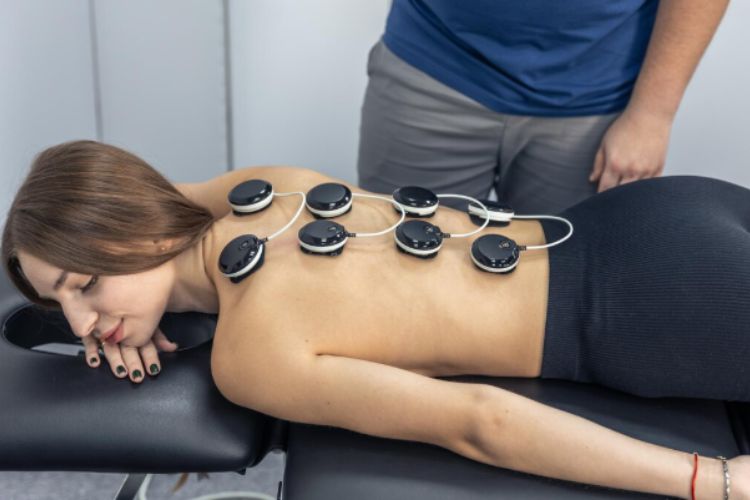
We all love that instant “ahh” feeling after a good back massage. But here’s the real question most people quietly wonder about: how often is too often and how little is not enough? If you’re using a back massager at home or combining it with professional care, frequency matters more than you think. Used wisely, it can support recovery, relaxation, and long-term comfort.
For many people exploring the best back massager, the goal isn’t just short-term relief. It’s about building a habit that fits into daily life without stressing muscles or nerves. Let’s unpack what “ideal usage” really looks like—without the guesswork.
Why Frequency Matters More Than Intensity?
It’s tempting to crank up the power and go all in, especially after a long day. But muscles respond better to consistency than force. Think of massage like stretching or hydration small, regular sessions tend to work better than occasional extremes.
According to general musculoskeletal guidance summarized by institutions like the National Institutes of Health (NIH), soft tissue benefits most from repeated, moderate stimulation rather than sporadic heavy pressure (ncbi.nlm.nih.gov). This applies whether the massage comes from skilled hands or a device.
How Often Should You Use a Back Massager?
The Short Answer: It Depends on Your Body
There’s no universal schedule, but most people fall into one of these usage patterns:
- Daily light users: 10–15 minutes once a day for stress relief and posture support.
- Pain management users: 15–20 minutes, 3–5 times a week for chronic stiffness.
- Recovery-focused users: Short sessions after workouts or long travel days.
If soreness lingers longer than a day, that’s your cue to scale back. Mild tenderness is normal; sharp or persistent pain isn’t.
Listening to Your Muscles (They’re Smarter Than You Think)
One overlooked skill is body awareness. Muscles communicate clearly tightness, warmth, release, or fatigue are all signals. Regular users often notice that after two or three weeks of mindful use, they need less time to feel the same relief.
This is where professional treatments, like visiting a back massage spa, can complement home routines. Therapists can identify tension patterns you may miss and help reset your baseline.
Combining Home Massage with Professional Care
Home massagers are fantastic for maintenance, but they’re not always a full replacement for expert hands. In fact, many wellness professionals recommend blending both approaches.
- Use your back massager for daily or alternate-day upkeep.
- Schedule professional sessions monthly or bi-monthly.
- Adjust home usage after spa visits to avoid overstimulation.
This balance also supports circulation and recovery, a benefit explored in detail in How Spa Treatments Boost Circulation and Immunity.
Common Mistakes to Avoid
Even the best back massager can backfire (pun intended) if used incorrectly. Watch out for these common missteps:
- Using high intensity every session
- Massaging directly over the spine instead of surrounding muscles
- Ignoring hydration after sessions
The World Health Organization emphasizes hydration and muscle recovery as key elements of physical wellness routines (who.int), and massage is no exception.
FAQ
1. Can I use a back massager every day?
Yes, most people can safely use it daily if sessions are short and intensity is moderate. Listen to your body and adjust as needed.
2. Is it better to use a back massager in the morning or night?
Morning use can loosen stiffness, while evening sessions help with relaxation and sleep. Choose what fits your routine.
3. How long should one session last?
Typically 10–20 minutes per area is enough. Longer sessions don’t always mean better results.
4. Should I stop using it if I feel sore?
Mild soreness is normal, but sharp or lasting pain is a sign to pause and reassess frequency or intensity.
Final Thoughts
The real magic of the best back massager isn’t power it’s rhythm. When you find a frequency that supports your lifestyle and respects your body’s limits, massage becomes less of a fix and more of a foundation for long-term comfort.