Ever noticed how your body seems to carry stress in quiet, stubborn pockets—between the shoulders, along the lower back, or deep in the calves? That’s where heat works like magic. A well-executed hot stone massage doesn’t just relax you; it gently persuades your muscles to let go. And sometimes, that’s exactly what we need.
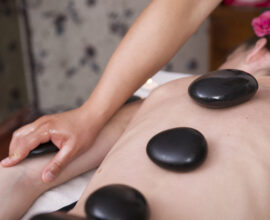
Unlike a standard spa treatment, stone massage therapy uses smooth, heated basalt stones placed strategically on the body. The warmth seeps into tight tissues, making them more receptive to therapeutic touch. It’s less about pressure and more about persuasion—convincing your body that it’s safe to relax.
What Makes Hot Stone Massage Different?
At its core, hot stone massage blends thermotherapy with traditional massage techniques. Basalt stones—chosen for their ability to retain heat—are warmed to a controlled temperature and positioned along key energy points or muscle groups. The therapist may also use the stones as an extension of their hands.
The result? Deeper muscle relaxation without aggressive pressure. For people who shy away from intense deep tissue massage, this can feel like a revelation.
The Science Behind the Warmth
Heat increases blood flow. According to the National Center for Complementary and Integrative Health (NCCIH), massage therapy may help reduce muscle tension and promote relaxation. When combined with heat, circulation improves further, helping oxygen and nutrients move efficiently through tissues.
Improved circulation often leads to:
- Reduced muscle stiffness – Warm tissues stretch more easily.
- Temporary pain relief – Increased blood flow can ease soreness.
- Enhanced relaxation response – The nervous system shifts into “rest mode.”
It’s not just about feeling good (though that’s a big part of it). There’s physiology at play.
Who Benefits Most from Stone Massage Therapy?
While almost anyone can enjoy a hot stone massage, certain groups often notice the biggest difference:
- Office workers dealing with chronic neck and shoulder tightness.
- Athletes seeking muscle recovery without excessive pressure.
- People managing stress or mild anxiety who respond well to calming, sensory therapies.
The American Massage Therapy Association (AMTA) reports that a significant portion of massage clients seek therapy specifically for stress reduction and pain management (amtamassage.org). Heated stone treatments align beautifully with both goals.
Hot Stone Massage vs. Deep Tissue Massage
Clients often ask: “Should I book deep tissue or hot stones?” Here’s a practical way to think about it:
- Deep Tissue Massage: Best for breaking down chronic muscle knots with firm pressure.
- Hot Stone Massage: Ideal for easing tension through warmth and moderate pressure.
- Combination Approach: Some therapists blend both for targeted muscle relief.
If your pain stems from stress-related tension rather than injury, the heat-assisted method can feel gentler and surprisingly effective.
More Than Muscle Relief: The Emotional Reset
There’s something deeply comforting about warmth. It reminds us of sunlight on skin or a hot bath after a long day. That emotional association plays a subtle role in how we respond to the treatment.
Hot stone massage often supports:
- Better sleep patterns
- Lower perceived stress levels
- A general sense of grounding
Many clients describe it as a “reset button” for their nervous system. While it’s not a cure-all, the combined effect of heat therapy and relaxation massage can help the body transition from high alert to calm equilibrium.
What to Expect During Your Session
If you’ve never tried hot stone massage, here’s what typically happens:
The therapist warms the stones in water to a safe, consistent temperature. They’ll test the heat before placing them along your spine, palms, legs, or even between toes. Oil is applied to allow smooth gliding movements.
You might feel an initial wave of heat—intense but not uncomfortable. Within minutes, muscles soften. Breathing deepens. Thoughts slow down. Some people drift into light sleep without realizing it.
Sessions usually last between 60 and 90 minutes, depending on your preference.
Precautions and Considerations
Although hot stone massage is generally safe, it may not be suitable for everyone. Individuals with certain conditions—like unmanaged diabetes, skin sensitivities, or cardiovascular issues—should consult a healthcare provider first.
The Mayo Clinic advises discussing massage therapy with a doctor if you have underlying medical concerns. A responsible therapist will also ask about your health history before beginning.
Frequently Asked Questions
1. Is hot stone massage painful?
No. The stones are heated to a safe temperature and should feel soothing, not burning. Always inform your therapist if it feels too hot.
2. How often should I get a hot stone massage?
For general relaxation, once a month works well. For stress or muscle tension, some people prefer biweekly sessions.
3. Can hot stone massage help with back pain?
It may provide temporary relief by relaxing tight muscles and improving circulation. Chronic pain should still be evaluated by a healthcare professional.
4. Is hot stone massage safe during pregnancy?
Pregnant individuals should consult their doctor first. Specialized prenatal massage techniques are typically recommended instead.
Final Thoughts
In a world that constantly pulls us forward, hot stone massage invites us to pause. The warmth doesn’t force muscles to release—it encourages them. And sometimes, gentle encouragement works better than pressure. Whether you’re chasing muscle recovery, stress relief, or simple stillness, this timeless heat-based therapy offers a quiet, powerful reset.