What makes a room feel instantly polished without adding more furniture or decoration? Often, it starts from the ground up. The right floor can quietly shape the entire atmosphere of a home. From warm wood-look finishes to dramatic stone effects, today’s Floor Tiles offer plenty of ways to create interiors that feel modern, comfortable, and distinctly yours.
1. Choose Large-Format Tiles for a Clean Look
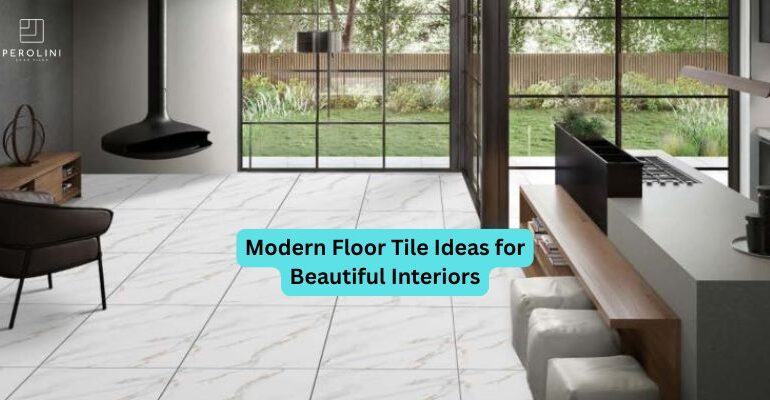
Large-format tiles are a favourite in contemporary interiors, and there is a practical reason for their popularity. Fewer grout lines can create a more continuous visual surface, helping rooms feel calmer and less visually crowded.
They work particularly well in open-plan living rooms, spacious kitchens, and modern entryways. A soft beige, warm grey, or subtle stone-inspired surface can provide a neutral foundation while allowing furniture, artwork, and lighting to take centre stage.
Where large tiles work best
- Open-plan living and dining areas
- Modern kitchens with streamlined cabinetry
- Large bedrooms with minimalist furniture
- Entryways where you want an uncluttered first impression
One practical note: large tiles demand a properly prepared and reasonably level substrate. A beautiful tile can look disappointing if installation conditions are overlooked, so professional planning matters as much as the pattern itself.
2. Bring Warmth with Wood-Look Floor Tiles
Love the character of timber but prefer the practicality of tile? Wood-look flooring can bridge that gap. Plank-shaped tiles recreate the visual rhythm of natural wood while offering a different maintenance profile from traditional timber.
Oak-inspired beige, honey, walnut, and muted brown shades can make contemporary spaces feel warmer without turning them rustic. Try laying the planks in a staggered arrangement for a relaxed appearance, or use a herringbone pattern when you want a little more personality.
3. Make a Statement with Stone-Inspired Surfaces
Marble and natural-stone aesthetics remain popular because they add visual depth without necessarily making a room feel busy. Veined white, charcoal, travertine-inspired, and limestone-style finishes can all create a sophisticated backdrop.
The trick is restraint. If the floor has dramatic veining, keep nearby surfaces relatively quiet. Think of the floor as the room’s tailored suit: it should have character, but it should still work with everything else.
4. Explore Porcelain for Style and Everyday Performance
For homeowners balancing appearance with everyday practicality, Porcelain Tiles can be an appealing option. They are available in a wide range of colours, textures, sizes, and finishes, making them suitable for both understated and highly expressive interiors.
When choosing a floor surface, consider more than its appearance. Think about traffic, moisture, cleaning habits, and the finish under different lighting conditions. A tile that looks perfect under a showroom spotlight may appear quite different beside a large window at home.
The U.S. Environmental Protection Agency also highlights moisture management as an important part of flooring and renovation decisions, particularly in areas exposed to water. In bathrooms and kitchens, flooring should help prevent moisture from reaching the underlying structure.
For more practical guidance on choosing surfaces for busy areas, explore Top Durable Tile Solutions for Your Home: A Comprehensive Guide.
5. Use Neutral Floor Tiles as a Design Foundation
Neutral does not have to mean boring. Cream, greige, taupe, sand, and soft grey tiles can create a flexible base that works with changing décor. This is especially useful if you enjoy updating cushions, rugs, wall colours, or furniture every few years.
Try these modern combinations
- Warm beige floor + off-white walls: Ideal for an airy, welcoming interior.
- Greige floor + natural wood: A balanced combination for contemporary homes.
- Soft grey floor + black accents: A sharper look with a modern architectural feel.
Another advantage of subtle flooring is that it can visually connect separate areas. Using a coordinated tile throughout adjoining spaces can make an apartment or open-plan home feel more cohesive.
6. Add Personality with Patterns and Borders
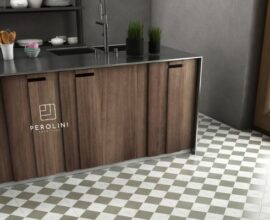
If minimalism feels a little too predictable, patterned floor tiles can change the mood dramatically. Geometric designs, encaustic-inspired patterns, checkerboard layouts, and decorative borders can turn an ordinary floor into a focal point.
However, patterned tiles work best when the rest of the room gives them breathing space. Pair a bold floor with simple cabinetry and uncomplicated walls rather than competing with several strong patterns at once.
7. Think Beyond Colour: Texture Matters
Texture is one of those details people often notice without consciously identifying it. Matte finishes can create a softer, understated appearance, while polished surfaces can reflect light and contribute to a more luxurious feel.
Before selecting a finish, consider how the room is actually used. Bathrooms, kitchens, entrances, and other areas exposed to water deserve careful attention to slip resistance, cleaning requirements, and manufacturer recommendations.
Indoor air quality is another sensible consideration during renovation. EPA research notes that VOCs can come from numerous household products and building materials, so ventilation and following product instructions during remodeling are worthwhile precautions.
Frequently Asked Questions
What floor tile is best for a modern home?
There is no single best option for every home. Large-format porcelain, stone-look tiles, wood-look planks, and understated neutral designs are all strong choices depending on the room, traffic level, maintenance needs, and desired style.
Are large floor tiles suitable for small rooms?
Yes. Large tiles can work surprisingly well in smaller rooms because fewer grout lines may create a more continuous appearance. Proper installation and accurate measurements are especially important in compact spaces.
Are wood-look tiles a good alternative to real wood?
They can be. Wood-look tiles provide the visual warmth of timber while offering the characteristics associated with tile. They are particularly useful where moisture or heavy daily use makes traditional wood less practical.
How do I choose a floor tile colour?
Start with the room’s natural light, wall colours, furniture, and overall mood. Always view physical samples in the actual space because lighting can significantly change how a tile colour and texture appear.
Final Thoughts
Modern flooring is no longer just about covering a surface; it is part of the architecture of a room. Whether you prefer calm neutrals, realistic wood effects, dramatic stone patterns, or bold geometric designs, the best choice is one that looks beautiful and makes sense for everyday life. Start with your lifestyle, then let your personal style take the lead.
Full Audio Version: Click Here