Long-term care is rarely a simple, one-size-fits-all journey. Some people need help managing medications, while others require skilled nursing throughout the day. For families, the real question is often how to keep loved ones safe, comfortable, and as independent as possible. A trusted nurse staffing agency can provide the personalized support families need at home.
What Makes Private Duty Nursing Different?
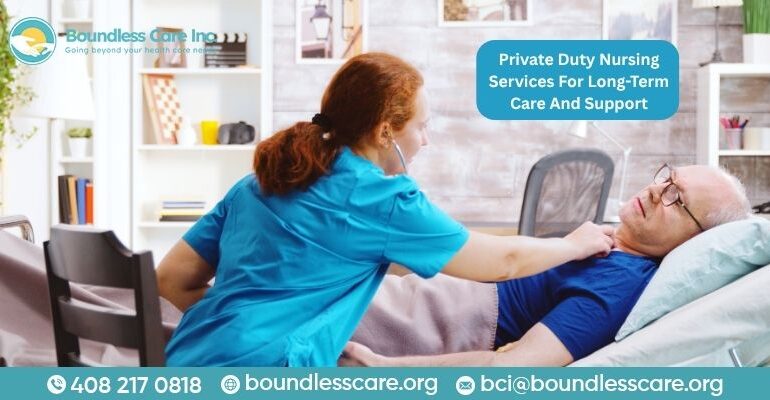
Private duty nursing provides skilled, individualized nursing care in a person’s home. Rather than asking someone to adjust to a facility’s schedule, care is organized around the patient’s medical needs, routines, preferences, and goals. This can make everyday care feel more natural and less disruptive.
Depending on the care plan, a private duty nurse may assist with prescribed medications, monitor changes in health, support complex treatments, provide wound care, or help with other physician-directed needs. The level of support can vary considerably from one person to another.
That flexibility becomes particularly valuable when care needs continue for months or years. The purpose is not simply to complete clinical tasks. It is to create a dependable support system that helps the patient remain comfortable at home while giving family members greater confidence in the care being provided.
Where Skilled Home Nursing Can Help?
Every patient’s situation is different, but private duty nursing may support several important areas of long-term care:
- Medication and treatment support: Nurses can assist with prescribed treatments and monitor for changes that may require communication with the healthcare provider.
- Ongoing health monitoring: Regular observation can help track changes in symptoms, mobility, breathing, nutrition, or overall condition.
- Complex medical care: Depending on the patient’s care plan, nursing support may include wound care, feeding tube assistance, respiratory care, or other skilled services.
- Family communication: Nurses can share relevant observations and help family caregivers better understand ongoing care routines.
Importantly, skilled nursing should be based on an individual’s medical needs and an appropriate care plan. It is not simply about having someone present in the home; it is about providing professional nursing support with a clear clinical purpose.
Why Consistency Matters in Long-Term Care?
Long-term care is a little like maintaining a well-tuned engine. Small changes are often easier to address when someone familiar with the situation notices them early. Consistent nursing support provides an additional trained perspective on a patient’s condition and day-to-day needs.
This is increasingly relevant as the U.S. population continues to age. According to the U.S. Census Bureau, the number of Americans age 65 and older has grown significantly and is expected to continue increasing in the coming decades. U.S. Census Bureau: Older Population
For families caring for an older adult or someone living with a chronic condition or disability, this points to a practical challenge: healthcare needs do not end when a doctor’s appointment is over. Reliable home-based nursing can help connect medical recommendations with the realities of everyday life.
Choosing Care That Fits the Person
The right private nursing arrangement starts with the individual rather than a generic checklist. A diagnosis is important, but so are personal habits, communication preferences, safety concerns, home surroundings, and comfort level.
When considering private duty nursing for adults, families should look at more than credentials. The right match also depends on communication, reliability, clinical experience, and the ability to adapt when circumstances change.
- Ask whether the nurse has experience with the patient’s specific medical condition and care requirements.
- Discuss scheduling, caregiver continuity, communication procedures, and what happens when care needs change.
- Find out how the nursing team communicates with physicians, therapists, and other healthcare professionals.
- Make sure the care plan can be reviewed and adjusted as the patient’s condition evolves.
Older adults may also need help with everyday activities that fall outside the scope of skilled nursing. In those situations, seniors home care services may complement a nursing plan. Understanding the difference between skilled medical care and supportive home assistance can help families choose services more effectively.
Supporting People With Chronic Conditions
Chronic health conditions can change gradually, and those changes are not always obvious. A person may follow the same routine for weeks and then experience differences in appetite, mobility, sleep, energy, medication response, or other aspects of their health.
Personalized nursing gives families another layer of professional support for managing these ongoing needs. Instead of relying on a rigid routine, the care approach can be adjusted as the patient’s circumstances develop and as healthcare providers update recommendations.
For a closer look at individualized support, read How Personalized Nursing Care Supports Chronic Condition Management?.
In practice, chronic care nursing, skilled home nursing, and long-term home care can complement one another when they are carefully coordinated. The goal is to create a practical plan that supports both medical needs and quality of life.
Frequently Asked Questions
1. What is private duty nursing?
Private duty nursing is skilled nursing provided to an individual, often in their home, based on their medical needs and care plan. Depending on the person’s circumstances, nursing may be scheduled for specific hours or provided for extended periods.
2. Who can benefit from private duty nursing?
Adults living with chronic illnesses, disabilities, complex medical needs, recovery requirements, or ongoing health-monitoring needs may benefit from private duty nursing. The appropriate services depend on the individual’s condition and recommendations from qualified healthcare professionals.
3. Can private duty nursing replace family caregiving?
Private duty nursing does not necessarily replace family caregiving. Instead, it can reduce the clinical responsibilities placed on relatives while allowing them to remain involved in meaningful ways. Professional nursing can serve as an additional layer of support for the household.
4. How is long-term nursing care personalized?
A personalized nursing plan can consider the patient’s medical condition, prescribed treatments, daily routine, safety needs, preferences, and changing circumstances. Ongoing communication between nurses, family members, and healthcare providers helps keep the plan appropriate over time.
Final Thoughts
Long-term care becomes easier to navigate when support is built around the person receiving it. Private duty nursing can bring skilled clinical care into the home while helping preserve familiar routines, comfort, dignity, and independence. For families managing ongoing or complex care needs, consistent professional support can make everyday life feel more manageable.