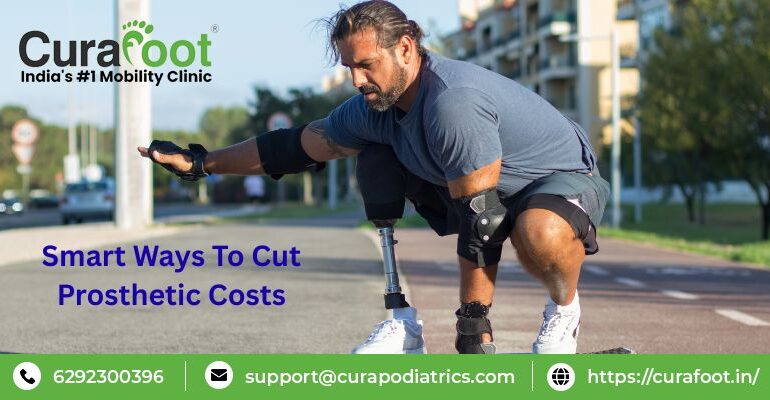
Losing a limb is life-changing financially as much as physically. Many families in Kolkata worry about how to manage treatment expenses without compromising quality. The good news? With the right approach, you can significantly reduce costs while still getting reliable care. It’s not always about spending less it’s about spending smarter.
When researching artificial leg price in Kolkata, you’ll quickly notice a wide price range. That’s because prosthetics vary in design, material, and technology. Understanding where your money goes is the first step toward saving it.
1. Understand What You Really Need?
Not every patient requires the most advanced (and expensive) prosthetic. In many cases, a basic or mid-range artificial limb works just as effectively for daily activities.
- Consult a specialist for personalized recommendations
- Avoid overpaying for features you may not use
- Focus on comfort, durability, and mobility needs
According to the World Health Organization, access to appropriate assistive technology improves quality of life significantly, but affordability remains a global challenge.
2. Explore Government Schemes and Subsidies
Many people overlook financial assistance programs available in India. Government initiatives and NGOs often provide subsidized or even free prosthetic limbs for eligible patients.
Options you can consider:
- ADIP Scheme (Assistance to Disabled Persons)
- State-level healthcare support programs
- Charitable trusts and rehabilitation centers
These programs can drastically lower your overall treatment cost if you meet the criteria.
3. Compare Clinics Before Making a Decision
It might sound obvious, but comparing multiple clinics can save you a surprising amount of money. Prices can vary depending on technology, expertise, and location.
- Request detailed cost breakdowns
- Check patient reviews and success stories
- Evaluate long-term service support
Sometimes, a slightly higher upfront cost at a trusted clinic can save money later by reducing repair or replacement expenses.
4. Choose the Right Materials and Technology
Prosthetic limbs today come in a variety of materials from basic plastic to advanced carbon fiber. While high-end options offer better performance, they may not always be necessary.
A balanced approach is key. Clinics specializing in prosthetics and orthotics can guide you toward cost-effective solutions without compromising functionality.
Cost-saving tips:
- Opt for modular prosthetics that allow upgrades later
- Choose durable materials to avoid frequent repairs
- Ask about warranty and maintenance packages
5. Plan for Long-Term Maintenance
Here’s something many people don’t consider: the cost doesn’t end after buying the artificial leg. Maintenance, adjustments, and occasional replacements can add up.
- Schedule regular check-ups to avoid major repairs
- Learn basic care techniques for your prosthetic
- Invest in quality components to reduce long-term costs
Think of it like owning a vehicle—regular servicing keeps it running smoothly and prevents expensive breakdowns.
6. Consider Insurance and Financing Options
While not all insurance policies cover prosthetics, some do offer partial reimbursement. It’s worth checking your policy details or speaking with your provider.
Additionally, many clinics now offer flexible payment plans, making treatment more manageable for families.
According to IRDAI, health insurance coverage in India is gradually expanding, including support for assistive devices in select policies.
7. Work with Experienced Professionals
This might sound counterintuitive when trying to save money, but choosing experienced prosthetists can actually reduce costs in the long run. Poorly fitted limbs often lead to discomfort, additional medical issues, and frequent replacements.
A skilled expert ensures proper fitting, better mobility, and fewer complications saving both money and stress over time.
FAQs
1. What is the average cost of an artificial leg in Kolkata?
The cost varies widely, typically ranging from affordable basic models to high-end advanced prosthetics depending on features and materials.
2. Can I get financial help for prosthetic treatment?
Yes, government schemes, NGOs, and some insurance policies provide financial assistance or subsidies for eligible patients.
3. How long does an artificial leg last?
Most prosthetic limbs last 3–5 years, depending on usage, maintenance, and material quality.
4. Is it safe to choose a low-cost artificial leg?
Yes, as long as it meets your functional needs and is fitted by a qualified professional, affordability does not mean poor quality.
Final Thoughts
Saving money on artificial leg treatment isn’t about cutting corners it’s about making informed choices. By understanding your needs, exploring financial support, and choosing the right professionals, you can balance cost and quality effectively. After all, the goal is not just affordability, but a better, more independent life.