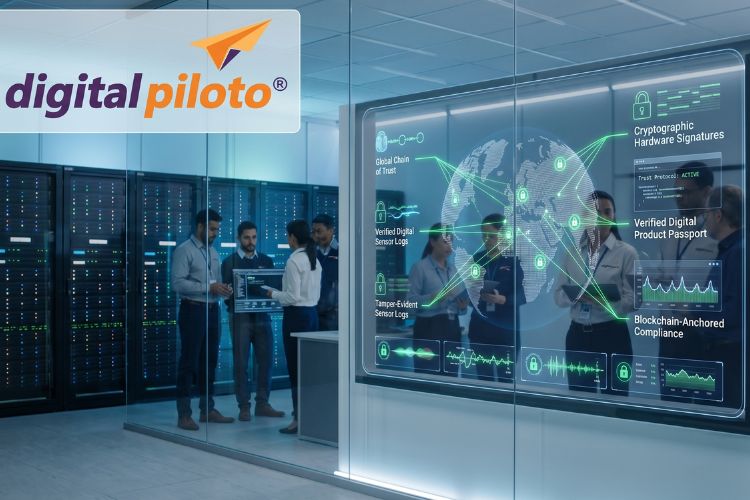
Machine-level trust signals are structured digital indicators that help search engines, AI systems, and automated platforms verify whether a global brand is credible, authoritative, and reliable. Today, brands are no longer judged only by human audiences. AI search systems, recommendation engines, and Machine-Readable algorithms now evaluate websites through consistency, entity clarity, structured data, and technical trust frameworks.
For modern enterprises, trust is becoming algorithmic. Many businesses working with a Digital Marketing Company in Asansol are already optimizing not just for rankings, but for machine-level trust and AI visibility across global search ecosystems.
What Are Machine-Level Trust Signals?
Machine-level trust signals are digital verification patterns that help automated systems understand whether a brand is authentic, authoritative, secure, and consistent across the web.
Definition Format
Machine-level trust refers to the ability of AI systems, search engines, and automated ranking algorithms to confidently verify a brand’s legitimacy using structured, Machine-Readable data and behavioral signals.
Unlike traditional branding, these signals are designed primarily for machines first and humans second. Google’s AI Overviews, recommendation systems, voice search assistants, and knowledge graphs all rely heavily on these indicators.
Why Global Brands Need Machine-Readable Trust
Large brands operate across multiple countries, platforms, and digital ecosystems. That scale creates complexity. If machines detect inconsistent information, unclear ownership, weak entity relationships, or conflicting structured data, trust weakens instantly.
This is one of the biggest reasons many international brands struggle with AI discoverability despite having strong traditional SEO.
Modern search engines increasingly prioritize:
- Verified brand entities
- Structured knowledge consistency
- Cross-platform identity alignment
- Transparent authorship and expertise
- Secure technical infrastructure
In simple terms, brands must become understandable not only to people, but also to machines.
Core Machine-Level Trust Signals That Matter
1. Structured Data Consistency
Schema markup remains one of the strongest Machine-Readable trust indicators. Global brands must ensure consistency between website schema, social profiles, business directories, and third-party citations.
Even small mismatches in brand names, addresses, or organization data can reduce algorithmic confidence.
2. Verified Brand Entities
AI systems increasingly evaluate brands as entities rather than keyword collections. A clearly defined entity helps search engines connect your organization with products, executives, industries, and expertise.
Strong entity signals include:
- Google Knowledge Graph presence
- Wikipedia or Wikidata references
- Consistent organization schema
- Author identity validation
- Cross-platform brand mentions
3. Technical Security Signals
Security is now part of trust evaluation. HTTPS alone is not enough anymore.
Search systems also examine:
- DNS reliability
- SSL implementation quality
- Website uptime stability
- Spam protection systems
- Server performance consistency
Global brands with unstable infrastructure often lose invisible trust points that impact discoverability.
4. Content Authenticity Signals
AI systems are becoming surprisingly effective at identifying thin, repetitive, or mass-generated content.
Trustworthy content usually demonstrates:
- Original insights
- Expert perspectives
- First-hand experience
- Clear sourcing
- Author transparency
This is why many enterprise organizations are moving toward experience-driven content rather than volume-based publishing.
How AI Systems Evaluate Global Brands
Step-by-Step Format
Step 1: Entity Recognition
The AI identifies whether your brand exists as a recognizable digital entity.
Step 2: Data Validation
It compares website information with external databases, directories, and citations.
Step 3: Authority Assessment
The system measures backlinks, mentions, expertise signals, and industry relationships.
Step 4: Behavioral Analysis
User engagement, bounce patterns, trust interactions, and navigation signals are evaluated.
Step 5: Confidence Scoring
The algorithm assigns trust probability scores that influence rankings, recommendations, and AI-generated answers.
The Relationship Between Machine-Level Trust and SEO
Traditional SEO focused heavily on keywords and backlinks. Modern AI-driven SEO focuses increasingly on confidence and verification.
This shift explains why some websites with fewer backlinks still outperform larger competitors. Machines trust them more.
Forward-thinking agencies like the Best Digital Marketing Agency In India are already integrating AI trust frameworks into enterprise SEO strategies rather than relying only on outdated ranking tactics.
Today’s high-performing enterprise SEO strategies often combine:
- Entity SEO
- Knowledge graph optimization
- Machine-Readable structured content
- AI visibility engineering
- Technical trust architecture
Common Trust Signal Mistakes Global Brands Make
Inconsistent Brand Information
Different addresses, phone numbers, or brand variations confuse machine validation systems.
Weak Author Identity
Anonymous content lowers expertise confidence, especially in competitive industries.
Over-Automated Content Production
Publishing large volumes of low-value AI-generated pages often damages long-term trust.
Ignoring Technical SEO Health
Poor crawlability, broken schema, and unstable site performance directly affect machine trust evaluation.
Practical Framework for Building Machine-Level Trust
Bullet Explanation Format
- Unify Brand Identity: Maintain identical brand details across all digital platforms.
- Strengthen Entity Signals: Build authoritative references, citations, and structured organization data.
- Improve Content Depth: Publish expert-driven insights with clear experience indicators.
- Enhance Technical Stability: Optimize security, performance, indexing, and crawl consistency.
- Use Structured Schema: Help machines interpret products, authors, services, and business relationships accurately.
The Future of Machine-Level Trust
The future of digital visibility will depend less on isolated ranking factors and more on trust ecosystems.
As AI search evolves, global brands will compete based on how understandable, verifiable, and reliable they appear to automated systems.
This is a major shift. Brands are no longer optimizing only for search engines. They are optimizing for machine confidence itself.
FAQs
What is machine-level trust in SEO?
Machine-level trust is the confidence AI systems and search engines have in a brand based on structured, verifiable digital signals.
Why are Machine-Readable signals important?
Machine-Readable signals help AI systems understand, validate, and rank brands more accurately across search and recommendation platforms.
How do global brands improve AI trust signals?
They improve structured data, entity consistency, technical security, authoritative content, and cross-platform verification.
Does structured data increase trust?
Yes. Structured data helps machines interpret brand information clearly, reducing ambiguity and improving confidence signals.
Can poor technical SEO reduce machine trust?
Absolutely. Slow websites, crawl issues, broken schema, and security problems negatively affect machine-level trust evaluations.
Conclusion
Machine-level trust is quickly becoming one of the defining competitive advantages for global brands. The companies that succeed in AI-driven search environments will not simply publish more content — they will build clearer, verifiable, and Machine-Readable digital ecosystems that machines can trust instantly.
As search evolves toward AI interpretation and entity understanding, trust will become less about claims and more about validation.
Blog Development Credits:
This article was thoughtfully developed through strategic research, advanced AI-assisted drafting, and refined SEO optimization guidance contributed by Digital Piloto Private Limited, inspired by the digital strategy insights and search-focused expertise of Amlan Maiti.