Personalization plays a central role in modern digital marketing because it helps brands deliver relevant experiences based on customer behavior, interests, and preferences. Instead of broadcasting the same message to everyone, businesses can create meaningful interactions that improve engagement, trust, and conversions. This shift has transformed how brands communicate with consumers across every digital channel.
Today, businesses of all sizes are investing in personalized marketing strategies to stand out in crowded markets. Whether working with a Digital Marketing Agency in Durgapur or managing campaigns internally, companies are recognizing that relevance often matters more than reach.
What Is Personalization in Digital Marketing?
Definition
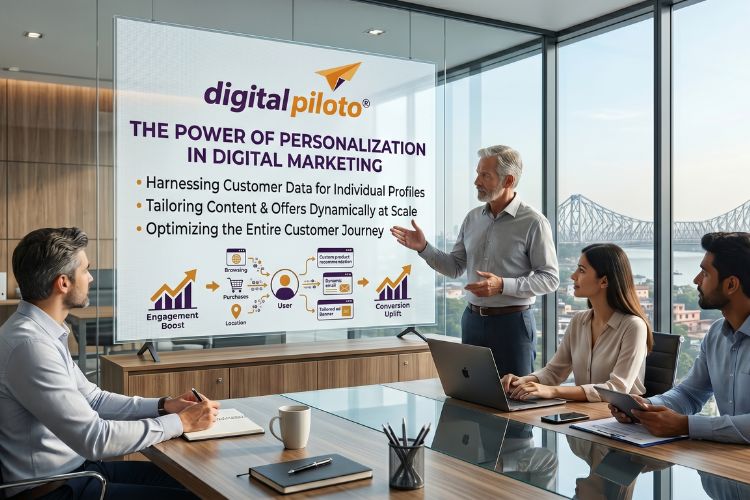
Personalization in digital marketing is the practice of tailoring content, offers, recommendations, and customer experiences based on individual user data, behavior, demographics, or preferences.
The goal is simple: deliver the right message to the right person at the right time.
Examples include:
- Product recommendations on eCommerce websites
- Personalized email campaigns
- Location-based promotions
- Dynamic website content
- Customized social media advertising
Consumers now expect brands to understand their needs. Generic messaging often feels disconnected, while personalized experiences create stronger relationships.
Why Has Personalization Become So Important?
The digital landscape has become increasingly competitive. Customers interact with hundreds of marketing messages every day, making attention one of the most valuable business assets.
Personalization helps brands cut through the noise by offering content that feels useful rather than intrusive.
Several factors have accelerated its importance:
- Growing consumer expectations
- Access to real-time customer data
- Advancements in marketing automation
- AI-powered customer insights
- Increasing competition across industries
Many marketers have discovered that customers are more likely to engage with brands that recognize their preferences and previous interactions.
How Personalization Improves Marketing Performance
1. Higher Customer Engagement
People naturally pay attention to content that reflects their interests. Personalized subject lines, recommendations, and advertisements tend to generate better engagement than generic campaigns.
When customers feel understood, they spend more time interacting with a brand.
2. Better Conversion Rates
Relevant offers often lead to stronger purchasing decisions. A customer who sees products aligned with previous browsing behavior is more likely to convert than someone receiving random suggestions.
This is why personalization has become a critical component of conversion rate optimization strategies.
3. Stronger Customer Loyalty
Customer retention is often more profitable than customer acquisition. Personalized experiences encourage repeat purchases and help businesses build long-term relationships.
A customer who consistently receives relevant recommendations develops greater trust in the brand.
4. Improved Marketing Efficiency
Personalization reduces wasted marketing spend by focusing efforts on audiences most likely to respond positively.
Instead of targeting everyone, marketers can prioritize users based on behavior, intent, and engagement history.
How Businesses Implement Personalization
Step-by-Step Process
- Collect Customer Data – Gather information from website visits, purchases, email interactions, and social engagement.
- Segment the Audience – Group customers based on interests, demographics, behaviors, or buying stages.
- Create Relevant Content – Develop personalized messages tailored to each audience segment.
- Automate Delivery – Use marketing automation tools to deliver content at optimal moments.
- Measure and Optimize – Analyze performance data and continuously improve campaigns.
The most successful personalization strategies are built on continuous learning rather than one-time campaign adjustments.
Where Personalization Delivers the Greatest Impact
Businesses using comprehensive Digital Marketing Services in India often apply personalization across multiple channels simultaneously.
Email Marketing
Personalized emails consistently outperform generic newsletters. Customized recommendations, purchase reminders, and behavior-triggered messages can significantly improve open and click-through rates.
Content Marketing
Personalized content helps visitors find information relevant to their specific needs. This improves user experience and supports stronger search engine optimization performance.
Paid Advertising
Targeted advertisements based on customer behavior often generate better results than broad campaigns. Remarketing is one of the most common examples of effective ad personalization.
Website Experience
Modern websites can dynamically adjust content, offers, and recommendations based on visitor behavior, creating more relevant customer journeys.
The Role of AI in Marketing Personalization
Artificial intelligence has made personalization more scalable than ever before.
Instead of manually analyzing thousands of customer interactions, AI can identify patterns, predict behavior, and recommend actions in real time.
Some common AI-powered personalization applications include:
- Predictive product recommendations
- Smart content suggestions
- Behavior-based automation
- Customer journey optimization
- Predictive lead scoring
The real advantage of AI is speed. It allows marketers to make data-driven decisions faster while maintaining relevance at scale.
Common Personalization Mistakes to Avoid
While personalization can be highly effective, poor execution can damage customer trust.
- Collecting excessive customer data without transparency
- Over-personalizing messages in ways that feel intrusive
- Using outdated or inaccurate customer information
- Ignoring privacy regulations and consent requirements
- Focusing only on technology instead of customer value
Effective personalization should feel helpful, not invasive.
Frequently Asked Questions
What is personalization in digital marketing?
Personalization is the process of delivering customized marketing experiences based on customer behavior, preferences, and data.
Why is personalization important for businesses?
It improves engagement, increases conversion rates, strengthens customer loyalty, and enhances overall marketing effectiveness.
How does AI support personalization?
AI analyzes customer data, predicts behavior, automates recommendations, and delivers personalized experiences at scale.
What channels benefit most from personalization?
Email marketing, websites, content marketing, social media campaigns, and paid advertising all benefit significantly from personalization.
Can small businesses use personalization?
Yes. Even basic audience segmentation and personalized email campaigns can produce meaningful results for small businesses.
Conclusion
Personalization is no longer a competitive advantage reserved for large brands—it has become an essential component of modern digital marketing. Customers expect relevance, convenience, and meaningful interactions. Businesses that successfully combine customer insights, technology, and thoughtful communication are more likely to build trust, increase conversions, and create lasting relationships in an increasingly crowded digital world.
Blog Development Credits
This article was planned and developed under the guidance of Amlan Maiti, leveraging modern research methodologies and advanced AI platforms for content intelligence. The final editorial refinement, search optimization, and quality enhancements were completed by Digital Piloto Private Limited to ensure accuracy, readability, and SEO performance.